(954) 483-3009

The Benefits Of Dental Implants: Why You Should Consider Them

The Benefits Of Dental Implants: Why You Should Consider Them
Are you struggling with missing teeth or uncomfortable dentures? Dental implants could be the perfect solution for you! Not only do they offer a more natural look and feel compared to traditional options, but they also provide numerous benefits for your oral health. In this blog post, we’ll explore what dental implants are, how they work, and why you should consider them as an option for improving your smile. So sit back, relax, and get ready to discover the amazing benefits of dental implants!
What Are Dental Implants
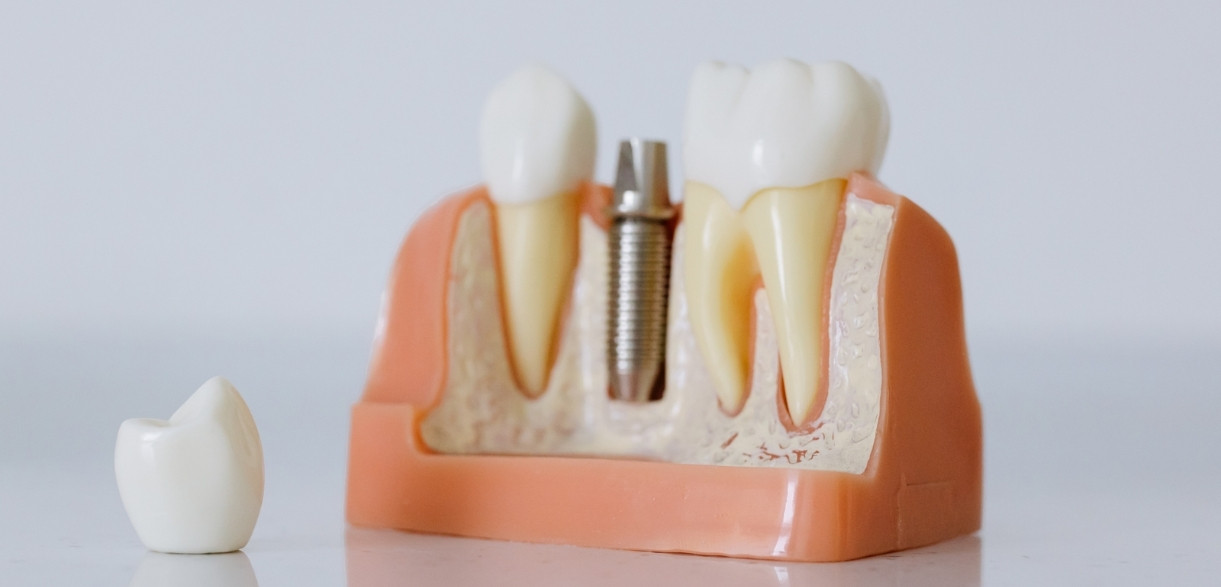
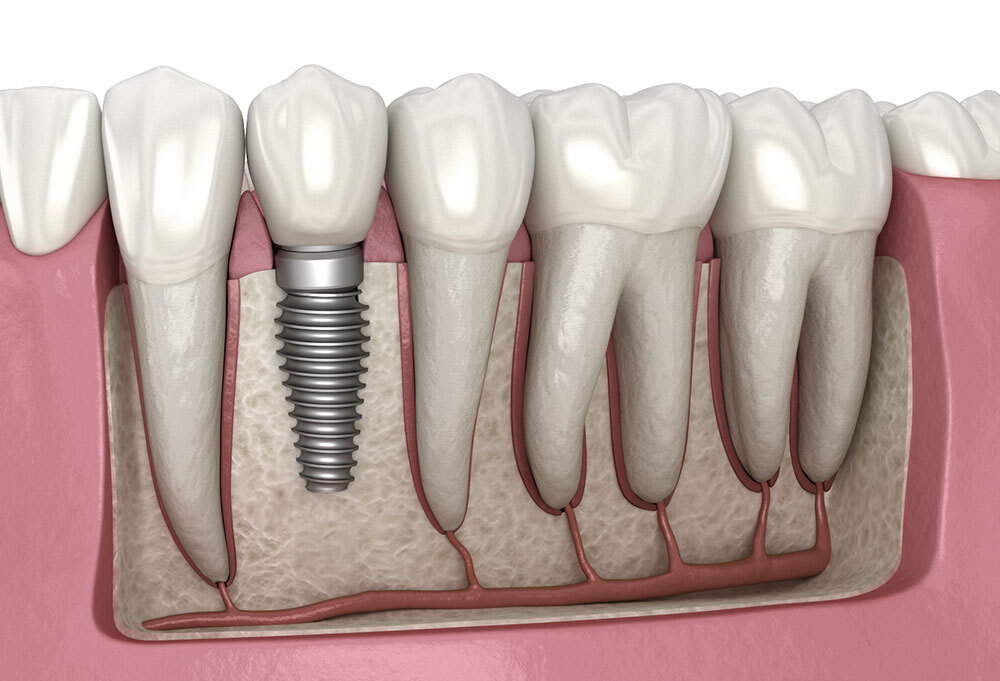
Dental implants are a popular and effective solution for replacing missing teeth. They are small titanium posts that act as artificial tooth roots, which are surgically placed into the jawbone to provide support for replacement teeth.
The process of getting dental implants involves several stages, including a consultation with a dentist or oral surgeon to determine if you are a good candidate for the procedure. Once approved, the implant is inserted into your jawbone during surgery under local anesthesia.
Over time, the bone will grow around the implant in a process called osseointegration, providing stability for your new replacement tooth or teeth. This can take several months depending on how many implants were placed and where they are located.
Dental implants offer numerous benefits compared to other tooth replacement options such as dentures or bridges. They look and function like natural teeth, allowing you to eat and speak without difficulty. Additionally, they help prevent bone loss in your jaw by stimulating bone growth through biting and chewing.
Dental implants provide an excellent long-term option for those looking to restore their smile’s appearance and functionality after losing one or more teeth.
What The Implants Do
Dental implants are essentially artificial tooth roots that serve as a base for replacement teeth. When you lose a tooth, the surrounding bone begins to deteriorate over time since it no longer has anything to support it. This can lead to further dental problems down the line if not addressed.
Implants help prevent this by providing stability and support for replacement teeth. They also stimulate natural bone growth in the jaw, which helps maintain its structure and prevents further bone loss.
In addition to preventing bone deterioration, dental implants offer many other benefits such as improved speech and easier eating. Since they function like natural teeth, they allow patients to speak clearly and chew their food properly without any discomfort or difficulty.
Moreover, implants also improve overall oral health by reducing the risk of gum disease and decay in neighboring teeth. Unlike traditional dentures or bridges where adjacent teeth may need modification or removal, implants do not require any additional work on nearby healthy teeth.
Dental implants are an excellent solution for people who have lost one or more of their natural teeth due to injury or disease. They provide numerous benefits that go beyond aesthetic appeal and help preserve long-term oral health.
Types Of Dental Implants
There are different types of dental implants available, and each one has its own advantages and disadvantages. One type is the endosteal implant which is placed directly into the jawbone. This type provides a strong foundation for artificial teeth and may be used when there is enough bone support in the jaw.
Another type of dental implant is called a subperiosteal implant, which is placed on top of the jawbone but under the gum tissue. They are ideal for patients who do not have sufficient natural teeth to hold an implant or those without enough healthy bone structure to support it.
Zygomatic implants are another option that can be used if traditional methods cannot provide adequate support due to significant bone loss in the upper jaw area. These implants attach to existing cheekbones rather than being inserted into the jawbone itself.
While many factors will determine which type of dental implant you choose, including your oral health condition, recovery time, and personal preference – consulting with your dentist will help you make an informed decision about which option will work best for you.
The Benefits Of Dental Implants
Dental implants have become a popular solution for people with missing teeth. They are designed to provide a permanent replacement for natural teeth, and they offer a range of benefits over other tooth replacement options.
One benefit of dental implants is their ability to improve your appearance. Missing teeth can cause the surrounding areas to sag or change shape, making you look older than you really are. Dental implants not only fill in gaps but also help maintain the structure of your jawbone and keep your face looking youthful.
Another advantage of dental implants is that they function like natural teeth. You can eat all kinds of foods without worrying about your implant coming loose or falling out. You also don’t need special tools or adhesives to clean them because you brush and floss them just as you would with regular teeth.
In addition, dental implants can enhance your speech by allowing proper pronunciation and enunciation. With dentures or bridges, speech may be affected because these appliances sit on top of gums without being anchored directly into the bone.
Dental implants provide long-term value as they typically last longer than other forms of tooth replacement such as dentures or bridges which require periodic replacements due to wear and tear.
Dental implants offer numerous benefits which make them an excellent option for those seeking a permanent solution to missing teeth.
How To Choose The Right Dental Implant
Choosing the right dental implant can be overwhelming, but with a little research and guidance from your dentist, you can make an informed decision. The first step in choosing the right implant is to consider your individual needs and preferences.
Your dentist will evaluate your oral health and discuss any concerns or goals you may have for the procedure. From there, they will recommend specific types of implants that are most suitable for your unique situation.
Another important factor to consider when choosing a dental implant is its durability and longevity. You want an implant that will last for many years without requiring frequent repairs or replacements.
Ultimately, with careful consideration of these factors along with input from your trusted dental professional, you can choose the perfect dental implant that meets all of your unique needs while providing long-lasting benefits to help improve overall oral health and function!
How To Take Care Of Your Implant
Taking care of your dental implant is crucial for maintaining good oral health and ensuring the longevity of the implant. Here are some tips to help you take care of your dental implants:
1. Brush And Floss Regularly:
Just like with natural teeth, it’s important to brush twice a day and floss at least once a day around your implant.
2. Use An Antibacterial Mouthwash:
An antimicrobial mouth rinser can help reduce plaque buildup around the implant site.
3. Avoid Hard Or Sticky Foods:
Chewing on hard or sticky foods can damage both natural teeth and dental implants, so it’s best to avoid them altogether.
4. Quit Smoking:
Smoking has been linked to a higher risk of implant failure, so if you’re a smoker, quitting is highly recommended.
5. Schedule Regular Check-ups With Your Dentist:
Regular visits to your dentist will allow them to monitor the health of your implant and catch any potential issues early on.
By following these guidelines for caring for your dental implant, you’ll be able to enjoy all the benefits that come along with having a healthy smile!
The Bottom Line
Dental implants are an excellent option for those who want to improve their oral health and regain their confidence. They offer numerous benefits over traditional dentures or bridges, including greater stability and permanence. With proper care and maintenance, they can last a lifetime.
If you’re considering dental implants, be sure to consult with your dentist to determine if they’re right for you. They’ll help you choose the best type of implant based on your unique needs and preferences.
With the many advantages that come with dental implants, it’s no wonder why so many people are choosing them as their preferred tooth replacement method. Don’t let missing teeth hold you back any longer – consider getting dental implants today!