(954) 483-3009

Dental Bonding For Cosmetic Purposes: Enhancing Your Smile!

Dental Bonding For Cosmetic Purposes: Enhancing Your Smile!
Want to take your smile from good to dazzling? Say hello to dental bonding—a quick, affordable, and super effective way to jazz up your grin. Whether you’ve got chips, gaps, or a bit of discoloration, dental bonding is here to save the day with a touch of cosmetic magic. Let’s break down how this procedure can enhance your smile and make you shine.
What Is Dental Bonding?
Imagine giving your teeth a makeover in one visit. That’s what dental bonding does! Here’s how it works:
1. Prep Time: Your dentist picks a resin color that’s a perfect match for your teeth. They then prep the surface of your tooth by making it a bit rough. This helps the resin stick better and ensures a strong bond.
2. Resin Magic: Next, the dentist applies the resin to your tooth. They shape and mold it to fit perfectly with the contours of your natural teeth.
3. Light It Up: A special light hardens the resin, making it rock-solid. This process is quick and usually takes just a few minutes.
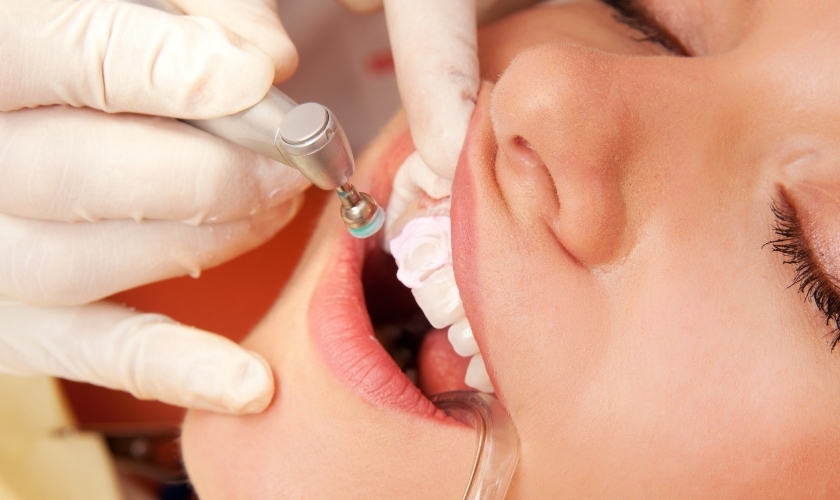
4. Shine On: Finally, your dentist polishes the bonded tooth to give it a natural, shiny finish. Your smile is now seamlessly flawless!
What are the Benefits of Bonding Procedure?
The method of cosmetic tooth repair offers numerous advantages for those seeking cosmetic improvements. Here are some key benefits:
- Quick and Simple: Since the process can usually be finished in a single visit, it’s a practical choice for busy individuals. There’s no need for multiple appointments or lengthy treatments.
- Cost-Effective: Tooth bonding is generally more affordable than cosmetic treatments like veneers or crowns. It provides a budget-friendly option for enhancing your smile.
- Natural Appearance: To ensure a smooth and natural appearance, the resin used in bonding is meticulously matched to the color of your natural teeth. This helps to enhance your smile without drawing attention to the cosmetic work.
- Minimal Tooth Removal: One of the significant advantages of composite bonding is that it often requires minimal or no removal of tooth structure. This preserves your natural tooth and minimizes the impact on its overall health.
- Versatile: This dental process can address many issues, including gaps, chipped teeth, and minor misalignments. Its versatility makes it a popular choice for various cosmetic concerns.
Who Are the Ideal Candidates for Dental Bonding?
The bonding method is suitable for many people, but it’s not always the best option for everyone. Here’s who might benefit from this treatment:
- Individuals with Minor Imperfections: If you have small chips, cracks, or gaps in your teeth, bonding can effectively address these issues. It provides a straightforward solution for minor cosmetic concerns.
- Those with Discolored Teeth: Bonding can cover stains and improve the color of teeth. It’s a useful option for those looking to brighten their smile.
- People Seeking Quick Results: Bonding is an ideal choice for fast and efficient cosmetic improvement. The procedure is completed in one visit and offers immediate results.
However, this tooth bonding procedure may not be appropriate for those with more significant dental issues, such as severe misalignments or large gaps. Your dentist may recommend alternative treatments like veneers or crowns for more complex concerns.
What to Expect After Cosmetic Bonding?
After undergoing the bonding, you may experience some minor discomfort or sensitivity. Here’s what you can expect:
- Sensitivity: Following the procedure, it’s common to feel some sensitivity to hot or cold foods and drinks. This sensitivity usually subsides within a few days.
- Care Instructions: Your dentist will provide specific care instructions to help you maintain your bonded teeth. Avoiding stains on food and beverages may be one way to do this for the first 48 hours to ensure the resin sets properly.
- Maintenance: Bonded teeth require regular maintenance and good oral hygiene to keep them looking their best. Although the resin is durable, it can chip or stain over time. Routine dental check-ups are essential for monitoring the condition of your bonded teeth and ensuring they remain in good shape.
Comparing Dental Bonding to Other Cosmetic Treatments
While tooth bonding is effective, it’s helpful to compare it with other cosmetic options to determine the best choice for your needs:
- Veneers: The front surface of your teeth is covered in thin porcelain or composite resin shells called veneers. They are more durable and resistant to staining than bonding but require more tooth preparation and are generally more expensive.
- Crowns: Dental crowns completely encase the tooth and provide greater protection. They are suitable for more significant damage or structural issues but involve a more extensive procedure than bonding.
- Whitening: For purely cosmetic concerns related to discoloration, whitening treatments can effectively brighten your teeth. However, whitening does not address structural imperfections like chips or gaps, which bonding can correct.
Dental bonding is a flexible and affordable choice for enhancing your smile. It offers a quick solution for minor imperfections, assisting you in achieving a more radiant and self-assured smile. If you’re considering composite bonding, consult with your dentist to see if it’s the right choice for your cosmetic needs. A professional assessment will ensure you receive the most appropriate treatment for your situation. Contact a trusted dental professional in your area for expert advice and personalized care.
Frequently Asked Questions About Dental Bonding for Cosmetic Purposes
1. Is dental bonding painful?
A. Dental bonding is usually painless. The procedure involves minimal preparation, and most patients do not require anesthesia. However, if you’re sensitive or need extensive bonding, your dentist may use a local anesthetic to ensure you’re comfortable.
2. How long does dental bonding last?
A. Dental bonding typically lasts between 3 to 10 years, depending on how well you care for your teeth and the location of the bonding. Bonded areas may need to be repaired or replaced over time, especially if you grind your teeth or have habits that stress your teeth.
3. Will dental bonding affect my bite or speech?
A. Dental bonding is designed to match the shape and size of your natural teeth, so it should not affect your bite or speech. However, if the bonding is not perfectly shaped or feels bulky, it may require adjustment. Your dentist will ensure that the bonded areas align properly with your bite to prevent any issues with your speech or comfort.