(954) 483-3009


How to Clean Dental Implants for Optimal Oral Health

How to Clean Dental Implants for Optimal Oral Health
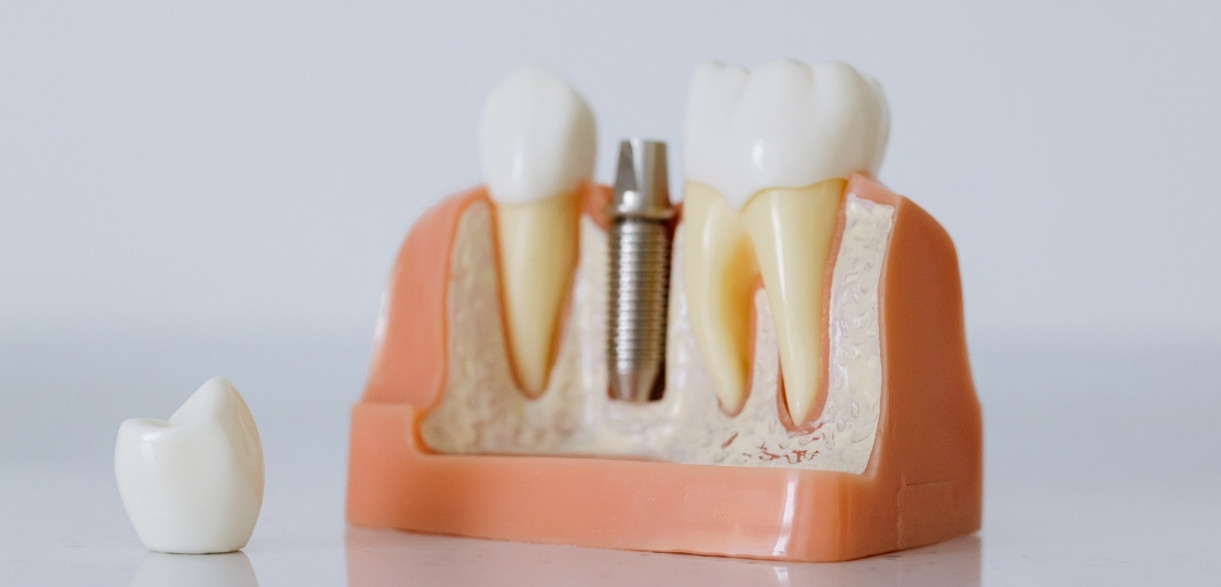
A radiant smile not only enhances our appearance but also reflects good oral health. For those who have embraced dental implants, maintaining proper hygiene is crucial to ensure the longevity and functionality of these artificial teeth. Dental implants offer a permanent solution to missing teeth, providing stability and a natural feel. However, just like natural teeth, implants require regular care to prevent issues such as plaque buildup, gum disease, and infection.
In this comprehensive guide, we delve into the essential steps and best practices for cleaning dental implants. Whether you are a recent implant recipient or someone looking to enhance your oral care routine, this blog aims to empower you with the knowledge needed to keep your dental implants in pristine condition. Let’s explore the ins and outs of effective dental implant maintenance, fostering a healthy and confident smile for years to come.
The Importance of Professional Cleanings
You will occasionally need expert cleanings for your dental implants, regardless of how meticulous you are about keeping them clean. You’ll need to get expert cleaning every six months if you’re like most patients. Certain patients—like smokers—might need to have cleanings more frequently.
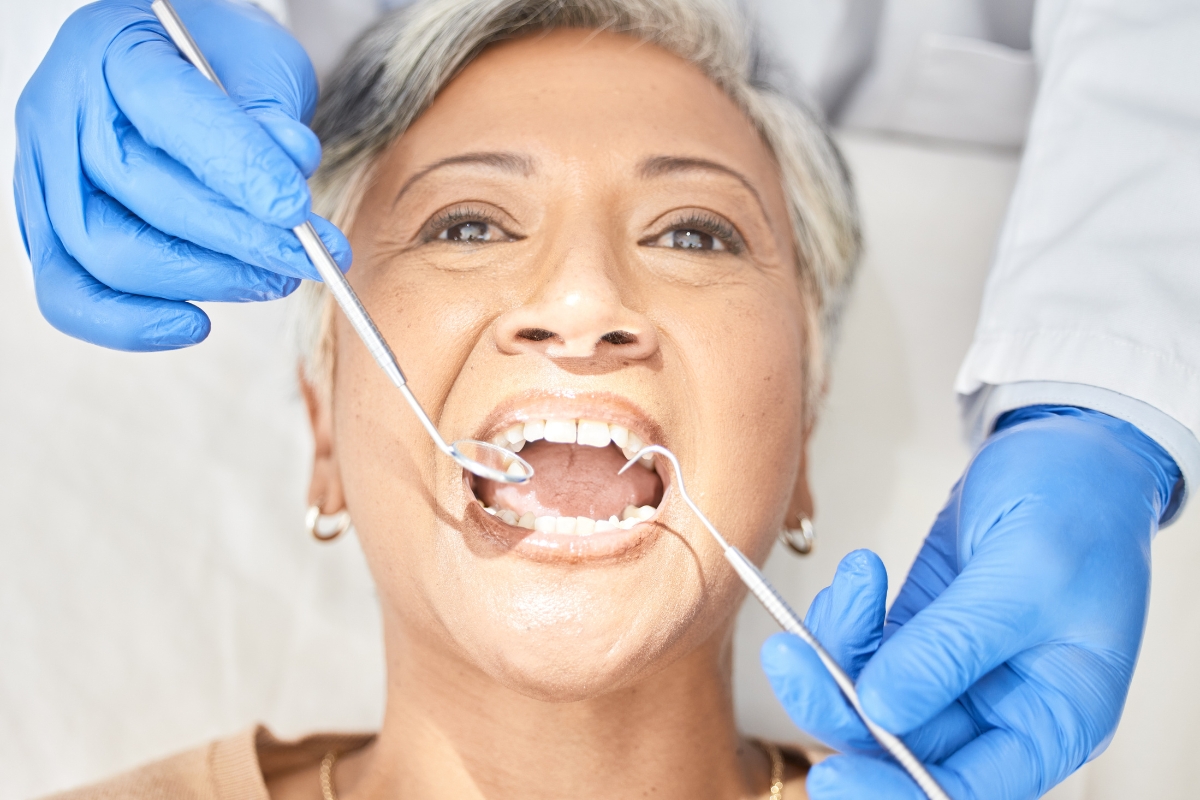
By following your oral hygienist’s recommended cleaning plan, you can make sure that any bacteria or plaque buildup is eliminated before it can result in damage or infection. Additionally, your hygienist will examine the tissues and gums around your implants and notify you if any difficulties are growing.
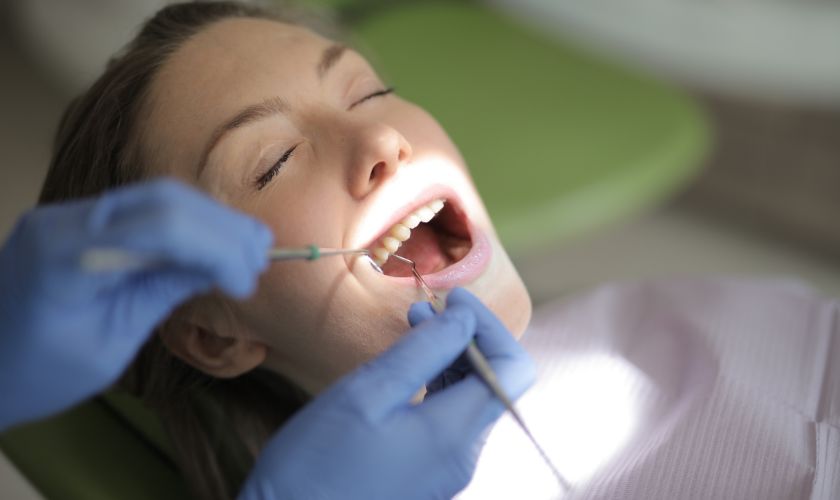
Your professional cleaning at Davie Designer Dental will involve taking out your new teeth and soaking them in a particular solution to get rid of tartar and stains.
Daily Living with Practically Carefree Full Mouth Dental Implants
After a short recovery from implant treatment, many individuals prefer dental implants for the years of carefree talking and chewing they provide. Among restorative dentistry treatments, dental implants offer the highest degree of convenience in terms of everyday maintenance and cleaning.
Furthermore, superior dental implants have a considerably better look than regular dentures because they flawlessly mimic real teeth. Additionally, whole mouth dental implants function more like real teeth. This means that you can laugh and smile freely at any time of day without worrying about your dentures not fitting correctly.
If you’re thinking about getting a single dental implant, a whole mouth implant, or maybe an implant-supported bridge, it makes sense to weigh the various advantages that these products offer. Consider:
- Observing a long-term, hassle-free oral hygiene regimen, which includes twice-yearly professional cleanings, that is comparable to the one advised for natural teeth
- Avoiding having to take out your dentures every day and the awkward situation of a friend or relative observing them soaking on your bedside
- Savoring the ability to eat almost everything you did when your original teeth were healthy, including steak, almonds, and sweets
- Not having to worry about your prosthetic teeth slipping or permanently interfering with your speech when you’re speaking with friends or coworkers, as dentures frequently do
Cleaning and Care: What to Expect With Dental Implants
Your oral surgeon will provide you with particular cleaning and care recommendations for the hours and days immediately following your treatment if you choose to have dental implants. For a few weeks following the placement of your dental implants, you will also need to adhere to a specific oral hygiene regimen and avoid certain foods. This will reduce the chance of infection while allowing your body to repair and acclimate to your new prosthesis.
The following details are on how to maintain and clean your dental implants over time to extend their lifespan and provide you with daily benefits.
The Right Way to Clean Your New Teeth at Home
You will clean your new teeth at least twice a day, ideally just after breakfast and right before bed, just like you do with your original teeth. To carefully clean natural teeth, we suggest using soft-bristle brushes; the same goes for your newly placed teeth. In fact, it’s even more vital since, even if your new teeth are robust and sturdy, they can be injured by abrasive bristles and overzealous brushing.
Are you used to using a sonic, revolving, or oscillating electric toothbrush? You’re in luck since this device has shown to be efficient at removing plaque and may even be better than conventional toothbrushes at promoting healthy blood flow to the gums.
During the first few weeks following your dental implant treatment, use a manual toothbrush. Only switch to an electric toothbrush when your dentist confirms that the implant site has fully healed.
Beyond the Toothbrush: More Tools to Consider
The first step in the perfect oral hygiene routine is just brushing your newly acquired teeth twice a day. Your dental implant care kit will be complete with an interdental or proximal brush and a water flossing machine.
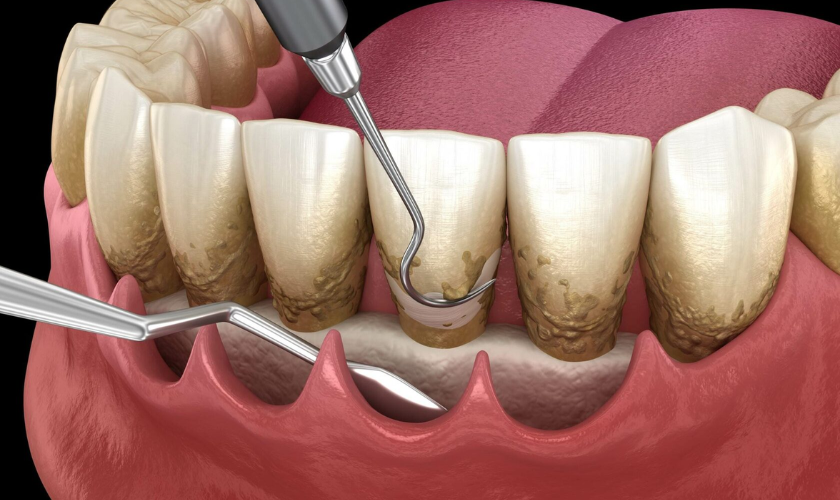
The best technique to remove tiny food particles that can accumulate in the area between your dental implants’ gums and the bridge is to use a water flosser. Plaque between crowns can also be effectively removed by water flossing. In fact, to keep natural teeth clean, many dentists advise flossing with water once a day.
It can take some getting accustomed to and can be messy to use a water flossing machine. Another useful instrument made specifically to clean beneath the bridge is an interdental brush.
Ready to Learn More?
Get in touch with us right now if you have any questions regarding our dental implant procedure. Many patients, including those who have lost bone density, have benefited from full mouth dental implants thanks to the expertise of our board-certified oral surgeons. We will be pleased to answer your inquiries and set up a meeting with our helpful and polite team.