(954) 483-3009


Root Canal Recovery: What to Eat, When Pain Stops, Red Flags

Root Canal Recovery: What to Eat, When Pain Stops, Red Flags
Root canal recovery in Davie is smoother than most patients expect. Many people dread the procedure itself, but the healing phase is usually manageable with the right guidance. Knowing what to eat, which pain relievers help, and when to call your dentist makes all the difference. Dr. Adil Khan at Davie Designer Dental wants every patient to feel confident and informed after their Root Canals Davie procedure.
What to Eat During Root Canal Recovery in Davie
Your mouth needs time to heal after a root canal. Choosing the right foods speeds recovery and prevents unnecessary discomfort. Soft, cool, and easy-to-chew options are your best friends in the first few days.
Avoid anything hard, crunchy, or sticky immediately after your appointment. These textures can disturb the treated tooth and cause pain. Hot foods can also increase sensitivity in the treated area.
Here are the best food choices during the first 48 to 72 hours of recovery:
- Yogurt and smoothies for easy nutrition
- Mashed potatoes and soft-cooked vegetables
- Scrambled eggs or soft-boiled eggs
- Oatmeal and cream of wheat
- Soup broth served at a lukewarm temperature
- Bananas, avocados, and other soft fruits
- Soft pasta or rice dishes
After the first three to four days, most patients can gradually return to normal eating. Always chew on the opposite side until your permanent crown is placed. A temporary filling or crown is fragile and needs protection.
Which OTC Pain Relievers Help and How Long Sensitivity Lasts
Some soreness after a root canal is completely normal. Your body just went through a procedure that involved inflamed or infected tissue. Over-the-counter pain relievers work well for most patients.
Ibuprofen is often the top recommendation from dentists. It reduces both pain and inflammation at the same time. Take it as directed on the packaging and with food to protect your stomach.
Acetaminophen is a good alternative if you cannot take ibuprofen. Some patients alternate between the two for better relief. Always follow dosage instructions carefully.
Here is a realistic timeline for what to expect with sensitivity:
- Day 1–2: Mild to moderate soreness around the tooth and jaw area
- Day 3–5: Tenderness decreases noticeably with proper rest and medication
- Week 1–2: Sensitivity to pressure may linger but should improve daily
- Week 2–4: Most discomfort resolves once the permanent crown is placed
Some sensitivity to biting or pressure may last a few weeks. This is normal as the surrounding tissue heals. Contact Dr. Khan if your pain is getting worse instead of better after the first few days.
Red Flags to Watch After Your Root Canal
Most root canals heal without any serious complications. However, certain signs require prompt attention from your dentist. Recognizing red flags early prevents small issues from becoming bigger problems.
Do not dismiss symptoms that seem unusual or that keep getting worse. Your instincts matter. If something feels wrong, it is always worth a quick call to our Davie office.
Watch for these warning signs after your root canal procedure:
- Severe or worsening pain that does not respond to medication
- Swelling in the face, jaw, or neck area
- A visible bump or pimple on the gum near the treated tooth
- Fever above 100°F that develops after the procedure
- The temporary crown or filling falls out
- Pain that returns after it had already improved significantly
- A bad taste or smell coming from the treated area
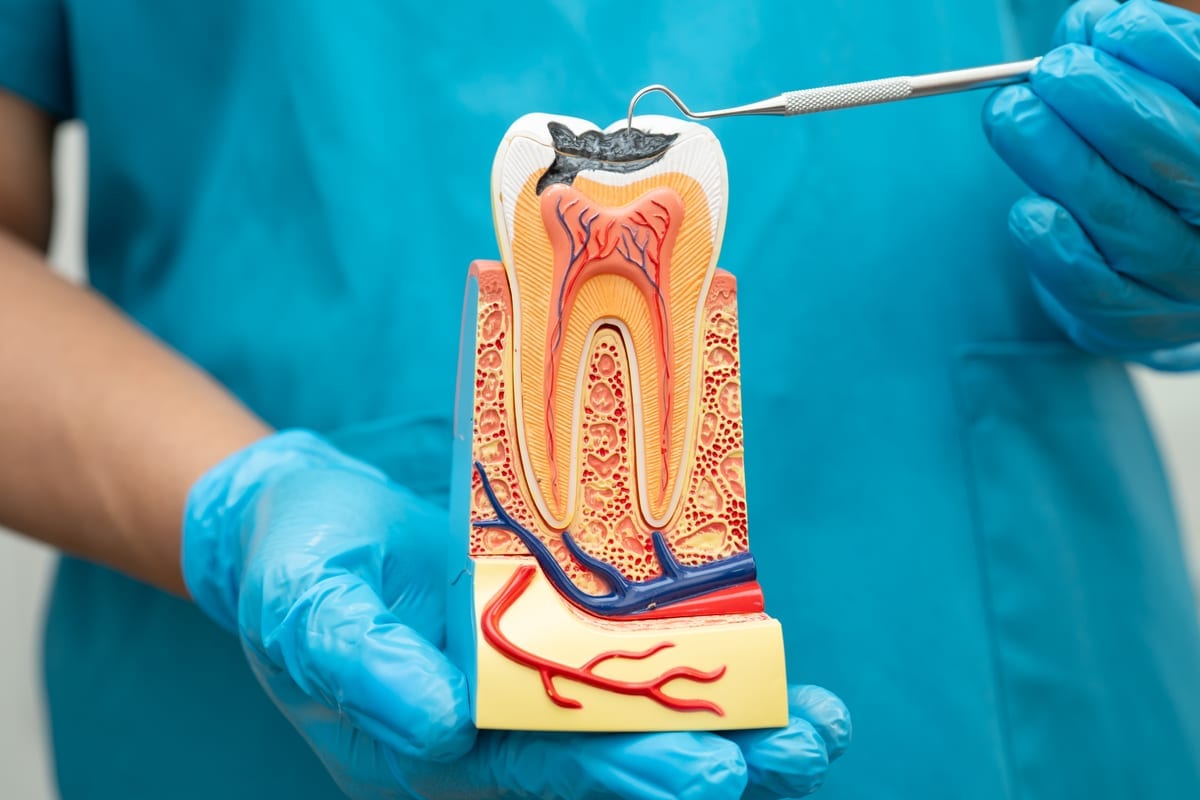
These symptoms can indicate infection, a cracked root, or a failed seal. None of these should be ignored or managed at home alone. Dr. Adil Khan’s team is available to evaluate any concerning symptoms quickly.
How to Support Healing at Home in Davie
Good home care after a root canal makes a significant difference in recovery speed. A few simple habits help your body heal faster and more comfortably. These tips work together with any instructions Dr. Khan provides.
Keep your head elevated when sleeping for the first two nights. This reduces swelling and pressure around the treated tooth. An extra pillow is an easy and effective solution.
Avoid strenuous exercise for the first 24 to 48 hours after your procedure. Physical activity increases blood flow, which can intensify throbbing and swelling. Light walking is fine, but save intense workouts for later in the week.
Rinse gently with warm salt water starting the day after your procedure. Use about half a teaspoon of salt in eight ounces of warm water. This helps keep the area clean without irritating healing tissue.
Brush your teeth normally but be gentle around the treated area. Flossing can continue, but work carefully near the treated tooth. Maintaining good oral hygiene supports overall healing and prevents new infections.
When to See Dr. Khan and What Comes Next
A follow-up appointment is an important part of the root canal recovery process. Dr. Khan will check the tooth, remove any temporary filling, and prepare for your permanent crown. This step protects the treated tooth for long-term function.
A dental crown is typically placed within a few weeks of the root canal. The crown restores the tooth’s strength and natural appearance. Without it, a root-canaled tooth is more vulnerable to cracking.
At Davie Designer Dental, we also offer a full range of restorative and Cosmetic Dentistry Davie services to support your smile after treatment. Dr. Khan and his team take a personalized approach to every patient’s care. Your comfort and long-term dental health are always the priority.
If you are healing from a root canal or need guidance on your next steps, do not wait. Timely follow-up care protects your investment in your smile. Book Now to schedule your appointment with our team.
Frequently Asked Questions
How long does root canal recovery typically take?
Most patients feel significantly better within three to five days. Full tissue healing can take up to two to four weeks. Placing the permanent crown usually marks the end of the active recovery period.
Is it normal for my tooth to hurt more the day after a root canal?
Yes, some patients experience a temporary increase in soreness on day two. This is a normal part of the inflammatory healing process. Over-the-counter ibuprofen or acetaminophen usually manages this discomfort well.
Can I go to work the day after my root canal?
Most patients return to work the following day without any issues. If your job involves heavy physical labor, you may want to take an extra day of rest. Listen to your body and give yourself time if you still feel sore.
What happens if my temporary crown falls out during recovery?
Contact Davie Designer Dental as soon as possible if your temporary crown falls out. The temporary filling protects the tooth from bacteria and damage. Do not leave it uncovered for more than a day or two.
When should I be concerned about swelling after a root canal?
Some mild swelling in the first 24 to 48 hours is normal. However, swelling that spreads to your neck, causes difficulty swallowing, or comes with fever is a red flag. Call Dr. Khan’s office right away if you experience any of these symptoms.