(954) 483-3009


Teeth Whitening Candidacy in Cooper City, FL

Teeth Whitening Candidacy in Cooper City, FL
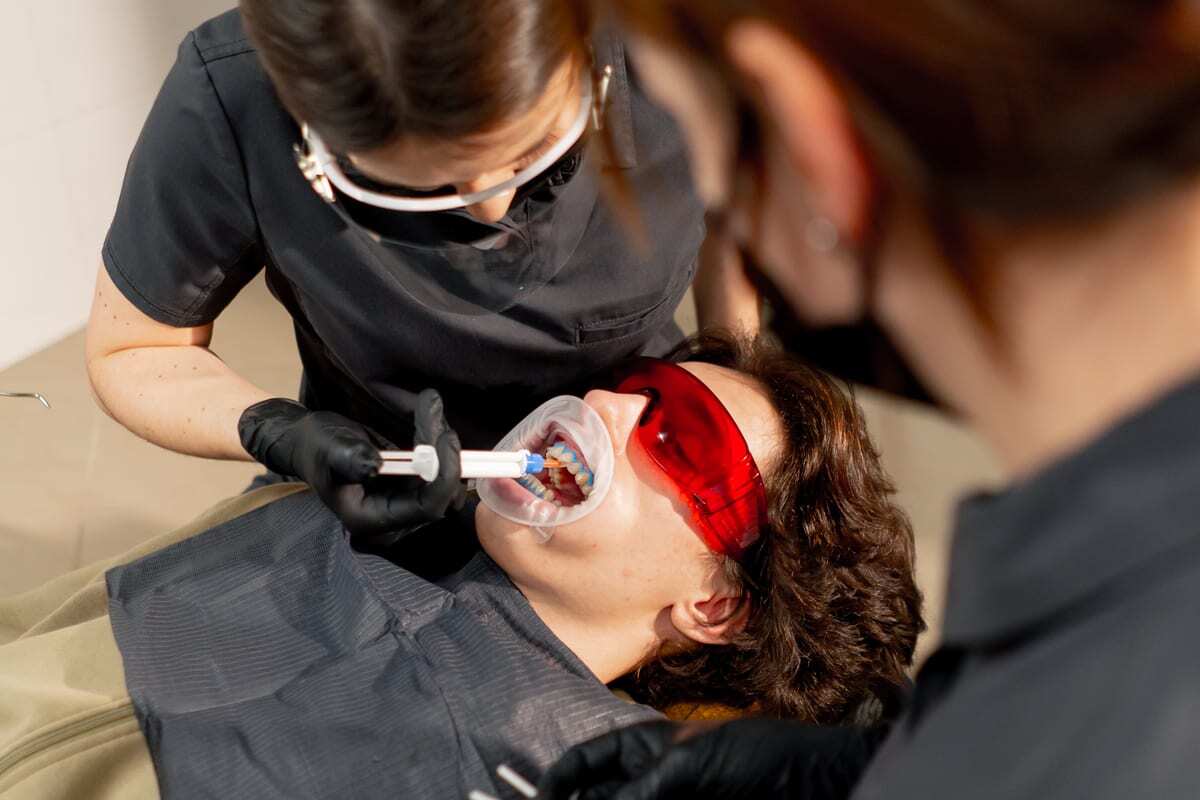
You have probably wondered: will your teeth actually whiten? Find out your candidacy first in Cooper City before spending money on treatments that may not work for you. Whitening is one of the most requested services in Cosmetic Dentistry — but it does not deliver the same results for everyone. Dr. Adil Khan at Davie Designer Dental helps patients understand exactly what to expect before starting any whitening plan.
Many Cooper City residents try over-the-counter strips or gels without first checking whether their teeth are good candidates. Some see great results. Others see almost none. The difference comes down to the type of staining, your dental history, and the current condition of your teeth and gums.
Why Candidacy Matters Before You Whiten in Cooper City
Teeth whitening uses peroxide-based agents to break down surface stains. This works well on certain types of discoloration. However, it does not work on all stains — and it has zero effect on dental restorations like crowns or veneers.
Understanding your candidacy first saves you time and money. It also prevents frustration when results fall short of expectations. A professional evaluation helps you set realistic goals and choose the right path forward.
Here is what makes someone a strong candidate for whitening:
- Natural teeth with no major restorations in visible areas
- Extrinsic staining from coffee, tea, wine, or tobacco
- Healthy gums with no active gum disease
- No significant tooth sensitivity issues
- Teeth that are free of active cavities
If you check most of these boxes, whitening is likely a good option for you. If you do not, there are still effective ways to improve your smile.
Stain Types That Respond Well — and Those That Do Not
Not all tooth discoloration is the same. Stains fall into two main categories: extrinsic and intrinsic. Whitening treatments work best on extrinsic stains. These are surface-level stains caused by food, drinks, and tobacco use.
Intrinsic stains are a different story. These stains live inside the tooth structure itself. They do not respond to standard whitening treatments — not even professional-grade ones.
Common causes of intrinsic staining include:
- Tetracycline or antibiotic use during childhood tooth development
- Fluorosis from excessive fluoride exposure during early childhood
- Trauma to a tooth that caused internal bleeding or nerve damage
- Aging, which naturally darkens the dentin layer beneath enamel
- Certain medications taken during pregnancy that affect fetal tooth development
If your discoloration comes from one of these causes, whitening will likely produce little to no visible change. In these cases, Dr. Khan may recommend alternative cosmetic options like veneers or bonding instead.
How Dental Restorations Affect Your Whitening Candidacy
This is one of the most misunderstood aspects of teeth whitening. Many patients do not realize that whitening products do not change the color of dental work. Crowns, veneers, bonding, and fillings stay exactly the same shade they were placed at.
If you have crowns or veneers on your front teeth, whitening your natural teeth around them can actually make the mismatch more obvious. Your natural teeth get brighter. Your restorations do not. The contrast becomes more noticeable — not less.
This does not mean whitening is off the table entirely. It simply means careful planning is essential. Dr. Khan evaluates the placement and shade of all existing restorations before recommending any whitening plan. In some cases, older restorations may need to be replaced to match new whitening results.
If you are thinking about getting new crowns or other work done, it often makes sense to whiten first. Then new restorations can be matched to your brighter shade. Timing matters significantly when both whitening and restorations are part of your smile plan.
Medical and Oral Health Conditions That May Disqualify You Temporarily
Even if your staining type is ideal for whitening, certain oral health conditions must be addressed first. Whitening with untreated cavities or active gum disease can cause serious discomfort and even damage.
Peroxide agents penetrate enamel more aggressively when tooth structure is compromised. This can cause sharp sensitivity or pain. Gum disease treatment should always come before cosmetic procedures. Healthy gums create a safe foundation for whitening.
Other temporary disqualifying factors include:
- Open cavities or exposed dentin
- Cracked teeth or compromised enamel
- Active Root Canals in progress or recently completed teeth that need evaluation
- Pregnancy or breastfeeding — whitening is typically postponed during this period
- Severe tooth sensitivity that has not been properly managed
The good news is that most of these are temporary barriers. Once the underlying issue is treated, whitening often becomes a viable option. A quick evaluation at Davie Designer Dental helps you understand where you stand today.
What Happens During a Whitening Candidacy Evaluation
At Davie Designer Dental, Dr. Khan does not just hand you a whitening kit and send you home. He takes time to evaluate your full smile before recommending any treatment. This approach delivers better results and protects your long-term dental health.
During your evaluation, Dr. Khan will review your dental history, assess your stain type, check for existing restorations, and examine your gum health. He will also discuss your goals so expectations align with what is realistically achievable.
From there, he may recommend in-office professional whitening for faster and stronger results. He may suggest take-home custom trays for more gradual improvement. Or he may recommend alternative cosmetic treatments if whitening is not the right fit.
Cooper City patients appreciate having a clear plan before committing to any treatment. Knowing your candidacy first makes the entire experience more confident and successful. There are no surprises — just a personalized path toward a brighter smile.
Conclusion: Know Before You Glow
Whitening works beautifully for the right candidates. For others, it simply is not the most effective first step. That distinction matters — and it is exactly why finding out your candidacy first in Cooper City is so important before investing in any whitening treatment. Dr. Adil Khan and the team at Davie Designer Dental are here to help you understand your options clearly and choose the path that truly fits your smile. Book Now to schedule your appointment with our team.
Frequently Asked Questions
Can whitening work if I have crowns on my front teeth?
Whitening products do not change the color of crowns, veneers, or other dental restorations. Only your natural tooth enamel responds to whitening agents. If you have prominent restorations, Dr. Khan will discuss options that ensure a consistent, natural-looking result.
How do I know if my stains are extrinsic or intrinsic?
A professional evaluation is the most reliable way to determine your stain type. Surface stains from food or drinks tend to have a yellow or brown tone. Intrinsic stains from medication or trauma are often gray or bluish and do not respond to standard whitening. Dr. Khan can identify your stain type during a simple examination.
Is professional whitening safe for sensitive teeth?
Sensitivity is one of the most common concerns with whitening. Many patients with mild sensitivity can still safely whiten using desensitizing treatments before or after sessions. Dr. Khan tailors the approach to minimize discomfort based on your specific sensitivity level.
What is the best whitening option for medication-induced staining?
Tetracycline and other medication-induced stains are deeply embedded in tooth structure and do not respond well to peroxide whitening. Porcelain veneers or composite bonding are typically more effective solutions for this type of discoloration. Dr. Khan will walk you through all available options during your consultation.
How long do professional whitening results last?
Professional whitening results typically last anywhere from one to three years depending on your diet, oral hygiene habits, and lifestyle factors. Avoiding staining foods and beverages and maintaining regular cleanings helps extend results significantly. Touch-up treatments are also available to maintain your brightness over time.