(954) 483-3009


Understanding The Types Of Single Tooth Replacement Procedures


Understanding The Types Of Single Tooth Replacement Procedures
Are you missing a tooth and feeling self-conscious about it? Don’t worry, you’re not alone. In fact, millions of people suffer from tooth loss due to injury, decay, or gum disease. But thanks to modern dental technology, there are now several types of single tooth replacement procedures available that can help restore your smile and confidence. Whether you’re considering an implant, bridge, or denture option, read on to learn more about the different types of procedures and how they can benefit you.
Why Single Tooth Replacement Is Necessary
Losing a tooth can be quite traumatic and it can have a significant impact on your self-esteem. When you lose a tooth, the surrounding teeth may begin to shift out of place, affecting both your bite and appearance. This is why single-tooth replacement is necessary.
Having missing teeth also makes it harder for you to chew properly which could lead to other dental issues down the line. Single tooth replacement will help restore your ability to eat normally and prevent further damage to your mouth.
When left untreated, missing teeth can cause bone loss in the jawbone area as well as gum recession which could lead to more serious complications such as periodontal disease. By replacing a single missing tooth with an implant or bridge, these potential problems are avoided.
Another important reason why single tooth replacement is necessary has to do with speech impediments. Missing front teeth especially can make speaking clearly difficult but replacing them promptly will ensure that normal speech patterns are restored.
Ultimately, getting a single tooth replaced not only improves oral health but also gives people back their confidence when they smile or speak in public again.
The Different Types Of Procedures
When it comes to single-tooth replacement procedures, there are a few options available. The most common procedures are dental implants, fixed bridges, and removable partial dentures.
Dental implants involve the placement of a titanium post into the jawbone which will act as the root for a new artificial tooth. Once the post is fused with the bone, an abutment is placed on top to hold a crown in place. This procedure offers a permanent solution that looks and feels like natural teeth.
Fixed bridges use adjacent teeth as anchors for a prosthetic tooth in between them. The downside of this option is that it requires grinding down healthy surrounding teeth to make room for the bridge.
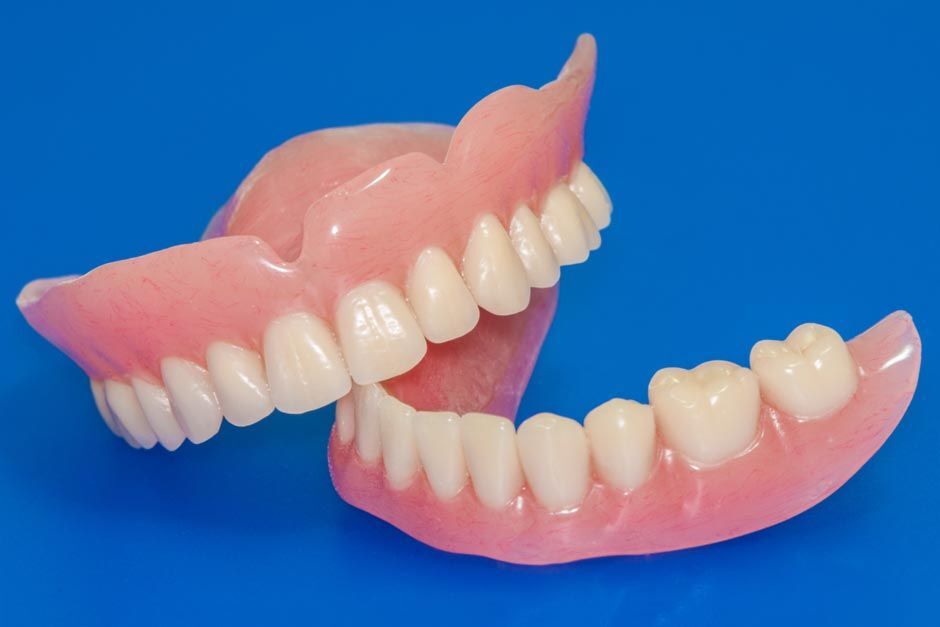
Removable partial dentures can be taken out and put back in by patients themselves. They’re typically less expensive than other options but require more maintenance and may not look or feel as natural.
It’s important to consult with your dentist about which option would be best suited for your individual needs before making any decisions.
Pros Of Each Procedure
When it comes to single-tooth replacement, there are various procedures that can be utilized depending on the specific needs of the patient. Each procedure has its own pros and cons, so let’s take a closer look at the advantages of each one.
Firstly, dental implants are considered to be the most popular option as they offer a permanent solution with a success rate of up to 98%. They’re also versatile in terms of placement locations and can help prevent bone loss in the jaw.
Next up are fixed bridges which involve attaching an artificial tooth to two adjacent teeth for support. The main advantage here is their affordability compared to other options. They’re also easy to maintain and provide stable chewing functionality.
Removable partial dentures are another option where an artificial tooth is attached via clasps or clips onto existing teeth. This method requires less invasive surgery than implants or bridges but may not be as comfortable or aesthetically pleasing.
Resin-bonded bridges use metal wings bonded onto adjacent teeth instead of crowns for support. This method preserves natural healthy teeth without extensive drilling or shaping required by conventional bridge treatment.
Understanding these different types of procedures allows patients to make informed decisions about their oral health and choose what works best for them based on personal preferences and individual circumstances.
How To Prepare For Single Tooth Replacement Surgery
Preparing for single tooth replacement surgery is an essential step towards ensuring a successful procedure. The first thing you need to do is schedule a consultation with your dentist or oral surgeon, who will assess your dental health and determine the most suitable type of tooth replacement procedure.
Once you have decided on the specific treatment plan, your dentist or oral surgeon will provide detailed instructions for preparing before the surgery. These may include avoiding certain foods and drinks, quitting smoking if necessary, taking antibiotics as prescribed by your doctor, and arranging transportation to and from the clinic.
It’s also important to discuss any medications or medical conditions with your healthcare provider since they can affect the outcome of the procedure. Additionally, make sure to dress comfortably on the day of surgery and avoid wearing jewelry or contact lenses.
Before undergoing single tooth replacement surgery, it’s also crucial to be mentally prepared. This means understanding what to expect during and after the procedure so that you can feel more at ease throughout each stage of treatment.
By following these steps carefully, you’ll be able to prepare yourself both physically and mentally for single tooth replacement surgery – setting yourself up for a smooth recovery process in no time!
What To Expect After Surgery
After undergoing a single tooth replacement surgery, it is natural to be curious about what happens next. The good news is that the recovery process for most single-tooth replacements is relatively quick and straightforward.
One of the first things you can expect after your surgery is some discomfort or soreness in the treated area. This discomfort usually subsides within a few days and can be managed with over-the-counter pain medication prescribed by your dentist.
It’s also common to experience swelling and bruising around the surgical site. Applying ice packs to your cheek for 15-20 minutes at a time can help reduce swelling and bruising.
Your dentist will provide post-operative instructions on how to care for your new implant properly. You should avoid chewing hard foods, smoking, and drinking alcohol during this time as they tend to slow down the healing process.
Attending follow-up appointments with your dentist is essential since they will monitor your progress closely, ensuring that everything heals correctly.
While there may be some slight discomfort following the procedure, taking proper care of yourself during recovery will ensure that you heal quickly and effectively.
The Bottom Line
To summarize, single-tooth replacement procedures are a great solution for those who have lost or damaged a single tooth. It is essential to understand the different types of procedures available before making a decision on which one to choose. Each procedure comes with its own pros and cons, so it’s crucial to consult with your dentist and select the best option that suits your needs.
Remember that proper preparation and aftercare are vital in ensuring the success of any surgery. Always follow your dentist’s instructions carefully, maintain good oral hygiene, and attend regular checkups to monitor the progress of your recovery.
With advancements in dental technology, replacing missing teeth has become more comfortable than ever before. By choosing an appropriate restoration method from these various options discussed above, you can enjoy improved aesthetics, and better functionality while regaining confidence in your smile.