(954) 483-3009


Untreated Gum Disease: Why Early Action Saves Your Teeth


Untreated Gum Disease: Why Early Action Saves Your Teeth
Gum disease affects nearly half of all American adults over age 30. Here in Davie, FL, we see patients every week who waited too long to address bleeding gums or persistent bad breath. Untreated gum disease progresses silently, causing damage that becomes increasingly difficult to reverse. Understanding why early action saves your teeth in Davie can help you protect your smile for life.
At Davie Designer Dental, Dr. Adil Khan helps patients recognize warning signs before serious damage occurs. This guide explains exactly what happens when gum disease goes untreated. You’ll learn why prompt intervention makes all the difference in preserving your natural teeth.
What Happens When Gum Disease Goes Untreated in Davie
Gum disease starts quietly. You might notice a little blood when brushing. Perhaps your gums look slightly redder than usual. These early signs often get dismissed as minor irritations.
Without treatment, gingivitis progresses to periodontitis. The infection spreads below the gum line. Bacteria multiply in pockets that form between your teeth and gums.
Over time, these pockets deepen. The infection destroys the bone supporting your teeth. Your Davie dentist can measure these pockets during routine exams. Early detection allows for simpler, more effective treatment options.
Advanced periodontitis leads to loose teeth. The supporting structures become so damaged that teeth shift or fall out entirely. This progression typically takes months or years. The tragedy is that it’s almost entirely preventable with early action.
Warning Signs Davie Residents Should Never Ignore
Recognizing gum disease early gives you the best chance of saving your teeth. Watch for these warning signs that many people dismiss as normal:
- Gums that bleed during brushing or flossing
- Red, swollen, or tender gum tissue
- Persistent bad breath that doesn’t improve with brushing
- Receding gums that make teeth appear longer
- Loose teeth or changes in how your bite feels
- Pus between teeth and gums
- Pain when chewing or sensitivity to temperature
Healthy gums don’t bleed. If you see pink in the sink after brushing, schedule an appointment. Dr. Khan and our team can evaluate your gum health and recommend appropriate treatment.
Many Davie patients tell us they thought bleeding gums were normal. This misconception delays treatment and allows disease progression. Even occasional bleeding warrants professional evaluation.
The True Cost of Delaying Gum Disease Treatment
Waiting to address gum disease always costs more in the long run. Early-stage gingivitis often responds to improved home care and professional cleaning. This represents the simplest and most affordable intervention.
As disease progresses, treatment becomes more complex. You might need scaling and root planing. This deep cleaning removes bacteria and tartar from below the gum line. It requires more time and expertise than standard cleaning.
Advanced cases may require surgical intervention. Procedures like gum grafting or bone regeneration become necessary when tissue and bone are lost. These treatments help restore what disease has destroyed.
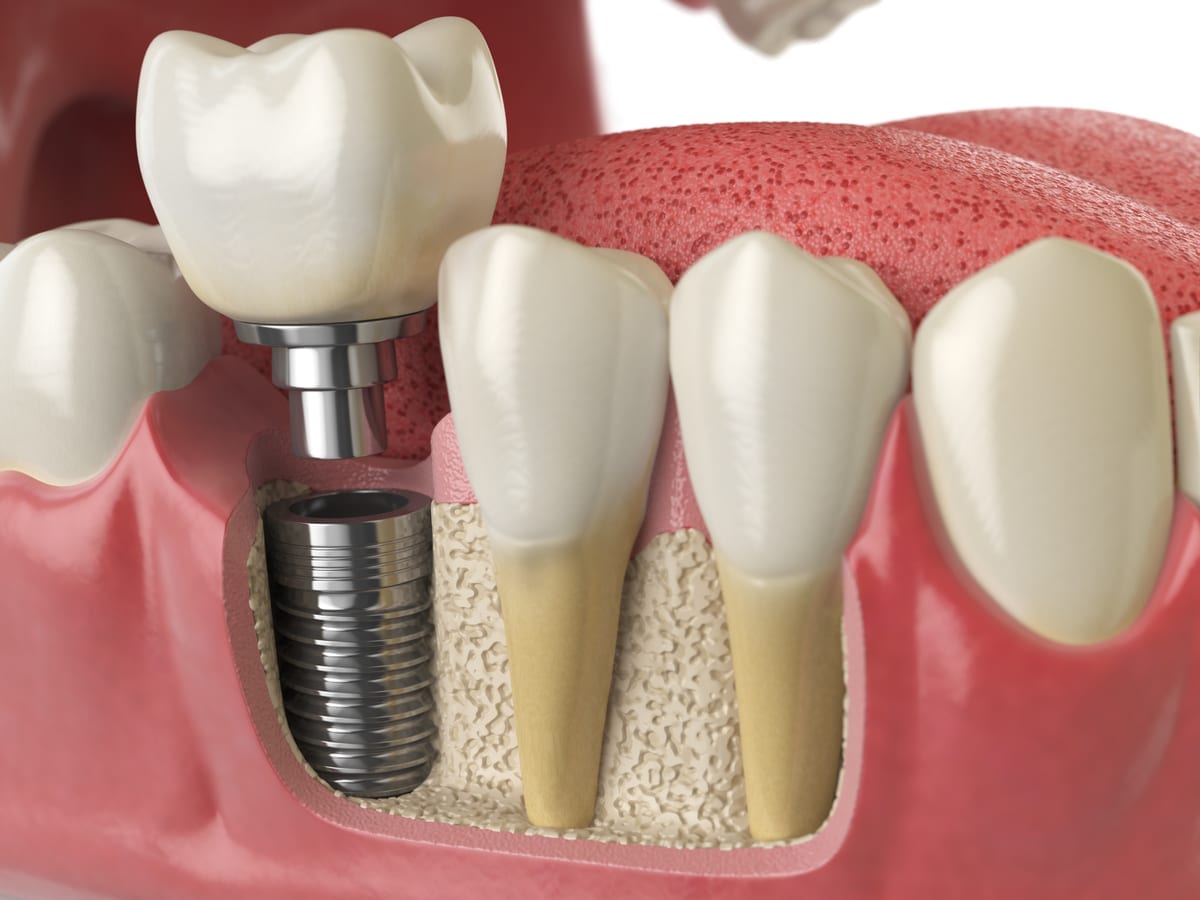
The ultimate cost involves tooth loss. Replacing missing teeth with dental implants or bridges requires significant investment. Many patients need Cosmetic Dentistry procedures to restore their smile’s appearance after gum disease damage.
Beyond financial costs, consider quality of life. Tooth loss affects your ability to eat, speak, and smile confidently. These impacts extend far beyond your dental health.
Why Early Action Makes All the Difference
Gingivitis is completely reversible with proper care. Your gums can return to full health when treated early. This is the most important reason to act promptly on any symptoms.
Once periodontitis develops, damage becomes permanent. Lost bone doesn’t regenerate naturally. Treatment can stop progression and preserve remaining structures. However, it cannot fully restore what’s already lost.
Early intervention offers these significant advantages:
- Simpler, less invasive treatments
- Faster healing and recovery
- Better long-term outcomes for tooth retention
- Prevention of bone loss and gum recession
- Lower overall treatment costs
- Preservation of your natural smile
Dr. Khan emphasizes preventive care for exactly these reasons. Regular dental visits allow us to catch problems early. We can intervene before significant damage occurs.
How Gum Disease Connects to Your Overall Health
Research continues to reveal links between gum disease and systemic health conditions. The bacteria causing periodontal disease can enter your bloodstream. This creates inflammation throughout your body.
Studies show connections between gum disease and heart disease. The same inflammation affecting your gums may contribute to cardiovascular problems. Managing gum health becomes part of managing overall wellness.
Diabetes and gum disease share a two-way relationship. Uncontrolled blood sugar increases infection risk. Gum infections make blood sugar harder to control. Treating one condition helps manage the other.
Pregnant women with untreated gum disease face higher risks of complications. Preterm birth and low birth weight have been linked to periodontal disease. Dental health during pregnancy deserves special attention.
Sometimes gum disease indicates other dental problems. Infections can spread to tooth roots, potentially requiring Root Canals to save affected teeth. Addressing gum disease early prevents these complications.
What to Expect During Gum Disease Treatment in Davie
Treatment depends on disease severity. Dr. Khan begins with a thorough evaluation. We measure pocket depths, assess bone levels, and evaluate overall gum health.
For early-stage disease, treatment often includes:
- Professional cleaning to remove plaque and tartar
- Personalized home care instructions
- Recommendations for antimicrobial rinses
- Follow-up appointments to monitor progress
More advanced disease requires deeper intervention. Scaling and root planing cleans below the gum line. This procedure smooths root surfaces to help gums reattach.
Some patients need multiple treatment sessions. We work at a comfortable pace while ensuring thorough care. Local anesthesia keeps you comfortable throughout any procedure.
Follow-up care is essential for long-term success. We’ll schedule regular periodontal maintenance appointments. These visits help prevent disease recurrence and protect your treatment investment.
Protecting Your Smile After Treatment
Successful gum disease treatment requires ongoing commitment. Your daily habits directly impact treatment outcomes. Dr. Khan provides detailed guidance for maintaining gum health.
Brush twice daily using proper technique. Angle bristles toward the gum line. Use gentle, circular motions rather than aggressive scrubbing.
Floss daily without exception. This removes bacteria from spaces your toothbrush cannot reach. Consider interdental brushes if traditional flossing proves difficult.
Keep all scheduled dental appointments. Professional cleanings remove buildup that home care misses. Regular exams catch any recurrence early.
Avoid tobacco products completely. Smoking dramatically increases gum disease risk. It also impairs healing after treatment.
Frequently Asked Questions
Can gum disease be cured completely?
Gingivitis, the earliest stage, is completely reversible with proper treatment and home care. Advanced periodontitis cannot be cured, but it can be effectively managed. Treatment stops progression and preserves remaining tooth-supporting structures. Ongoing maintenance prevents recurrence and protects your investment in treatment.
How quickly does gum disease progress if left untreated?
Progression varies significantly between individuals. Some people experience rapid advancement over months. Others see slower progression over years. Factors like genetics, smoking, diabetes, and oral hygiene habits all influence speed. The unpredictable nature makes early treatment even more important.
Will my teeth definitely fall out if I have gum disease?
Not necessarily, especially with prompt treatment. Early intervention often prevents any tooth loss. Even moderate disease responds well to appropriate care. Advanced cases have higher tooth loss risk, but treatment still helps preserve remaining teeth. The key is acting before irreversible damage occurs.
Is gum disease treatment painful?
Modern treatments prioritize patient comfort. Local anesthesia ensures you feel no pain during procedures. Some patients experience mild sensitivity afterward. Over-the-counter pain relievers manage any discomfort effectively. Dr. Khan discusses comfort options before any treatment begins.
How often should I see the dentist if I’ve had gum disease?
Most patients with a history of gum disease need visits every three to four months. This frequency allows for thorough monitoring and maintenance. Dr. Khan recommends a personalized schedule based on your specific situation. Consistent visits are crucial for preventing recurrence.
Don’t let gum disease steal your smile. The team at Davie Designer Dental is ready to help you protect your teeth and gum health. Early action truly saves teeth and prevents unnecessary complications. Book Now to schedule your appointment with our team.