(954) 483-3009


What Is The Hardest Tooth To Get A Root Canal On?

What Is The Hardest Tooth To Get A Root Canal On?
Root canals are an effective solution for saving a severely decayed tooth. Whether it is an infection or damage to the pulp inside, a root canal can be done on any teeth.
Although you can get this treatment on any decayed tooth, some teeth pose greater challenges due to their position, structure, or root complexity. It makes the process more time-consuming, and sometimes you require advanced dental techniques.
You can be thoroughly prepared for the procedure when you understand these difficulties. In this blog, you will get more information on the teeth that are hardest to get a root canal on.
What Are The Factors That Make A Tooth Difficult For A Root Canal?
You should know not all your teeth are equal when it comes to a root canal. There are factors that make a tooth more difficult than others.
Tooth Location
Usually, the teeth at the back of your mouth (molars) are harder to reach than your front teeth. The further back a tooth is, the harder it is to reach.
Root Structure & Number of Canals
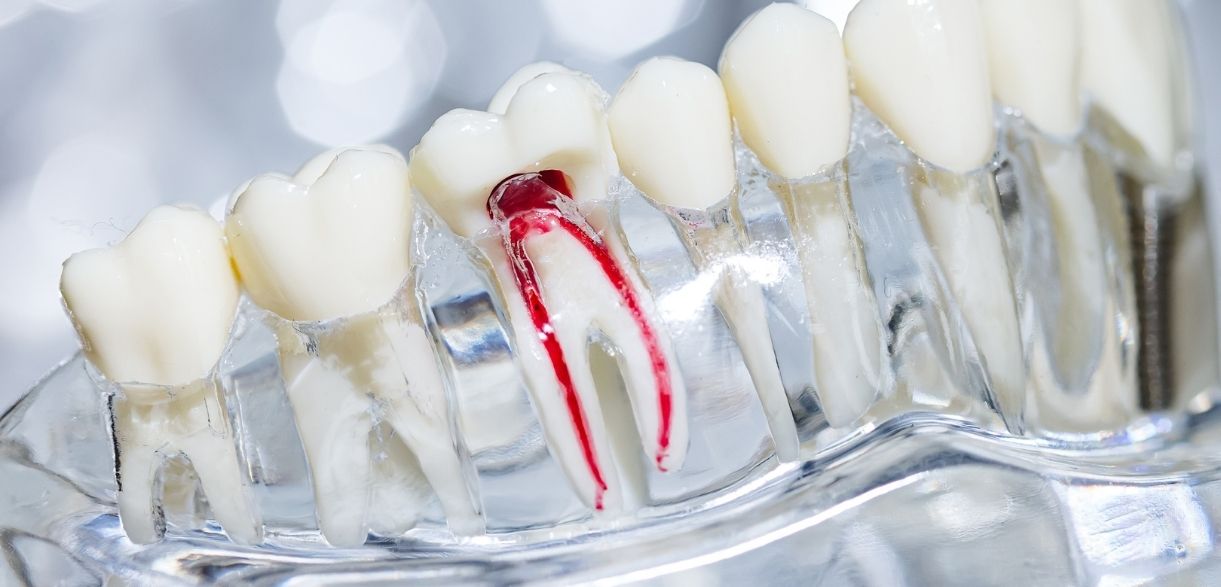
Some teeth might have multiple canals or unusual shapes. The more canals a tooth has, the more complex the cleaning and filling process will be. Some tooth roots may have sharp curves that make it even more challenging to remove the infected tissue from the inside.
Calcified Canals
With time, the canals can become calcified due to aging, previous trauma, or untreated decay. This situation makes it difficult for dentists to locate and clean the tooth properly.
Size & Shape of the Tooth
Your larger teeth, such as molars, require more effort and precision for a root canal. This makes the process of root canals more complicated.
Which Tooth Is the Hardest for a Root Canal?
If you are going for a root canal treatment in Davie, knowing which teeth are hardest to reach can ensure you have the necessary information before starting anything.
Among all teeth, these are the most difficult to treat:
Upper Second Molars
- These teeth are usually positioned at the back of the mouth, which makes them difficult to access.
- These teeth often have three or four root canals, which makes the job even more difficult.
Lower Molars
- Lower molar teeth sometimes have multiple canals that can be hard to locate.
- These roots sometimes split in unexpected ways, which require extra precision.
- Their position makes it harder for the dentist to get the correct
Premolars (Bicuspid Teeth)
- Premolars are not as difficult as molars, but some may have multiple canals. Extra canals are hard to detect without any specialized imaging. This makes the premolars hard to reach.
How Dentists Overcome These Challenges?
Some teeth are indeed harder to do a root canal on. But thanks to advanced technologies in dentistry, dentists can now perform root canals on even the most challenging teeth. Some of the most used techniques are:
- With 3D imaging, dentists can now locate all canals, including hidden and calcified ones. This is a very useful technique in providing a detailed view of the tooth’s internal structure before you begin the treatment.
- With the help of dental microscopes, dentists are now able to see small or narrow canals. This ensures a thorough cleaning and filling of all the canals.
Root canals are very effective in saving your natural teeth, but there are some teeth that are harder to reach. However, modern dentistry has made this possible as well. So, if you are thinking of getting root canals even on your molar teeth, do not hesitate. Reach out to your nearby dentist and get a consultation.
You can contact us also.