(954) 483-3009

5 Silent Signs Your Jawbone Is Already Deteriorating Fast

5 Silent Signs Your Jawbone Is Already Deteriorating Fast
Most people in Davie don’t realize their jawbone is deteriorating until serious damage is done. The 5 silent signs your jawbone is already deteriorating fast in Davie are easy to miss. They don’t always cause sharp pain. But they signal something serious happening beneath the surface. Dr. Adil Khan at Davie Designer Dental wants you to recognize these warning signs early — before your options become limited.
Why Jawbone Loss Happens Faster Than You Think
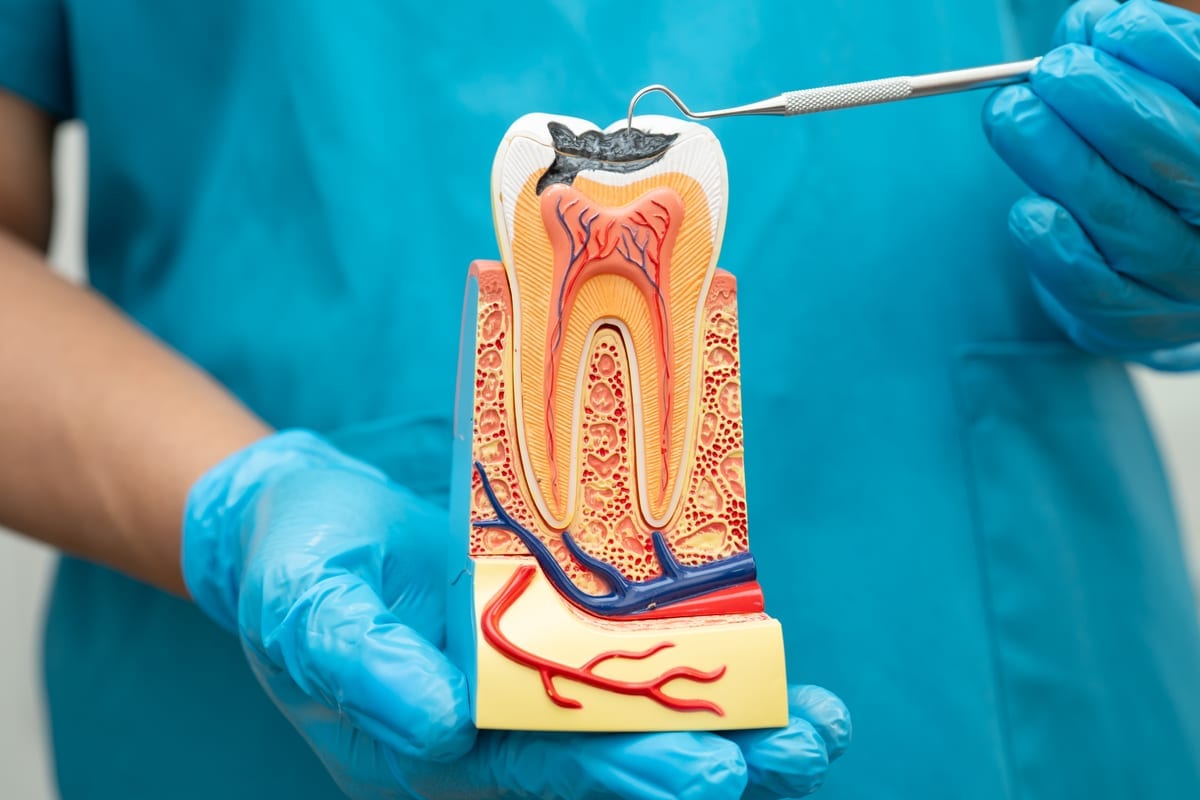
Your jawbone stays healthy because tooth roots stimulate it daily. Every time you chew, bite, or speak, that pressure keeps bone tissue active and strong. When a tooth is lost or severely damaged, that stimulation disappears immediately. The bone beneath begins to shrink within just a few months.
Many Davie patients don’t connect tooth loss to bone loss. They assume the gap is just a cosmetic issue. In reality, the jawbone can lose up to 25% of its width in the first year alone. After several years, the structural changes become very difficult to reverse.
This is why timing matters so much. The longer you wait after losing a tooth, the more bone volume disappears. Less bone means fewer options — and more complex, costly procedures to restore your smile. Acting early gives you the best possible outcome.
5 Silent Signs Your Jawbone Is Already Deteriorating Fast in Davie
These warning signs are subtle at first. Many patients dismiss them as normal aging or minor dental issues. But each one can point directly to active bone loss happening right now beneath your gums.
- Shifting or drifting teeth: Neighboring teeth move into empty spaces when bone no longer supports proper alignment.
- Sunken facial appearance: Your lower face looks hollow or older than your age because bone structure is collapsing underneath.
- Difficulty chewing hard foods: Bone loss weakens the foundation for remaining teeth, making biting painful or unstable.
- Loose-feeling teeth: Teeth that feel wobbly or less secure often have compromised bone support beneath them.
- Ill-fitting dentures or bridges: If your existing prosthetics keep slipping, your ridge has likely shrunk from bone loss.
Any one of these signs deserves immediate professional attention. Experiencing two or more means your bone loss may already be significant. Please don’t wait for pain to push you into action — by then, more invasive treatment may be unavoidable.
How Gum Disease Silently Accelerates Jawbone Deterioration
Gum disease is one of the leading causes of jawbone loss in adults across Davie. Advanced gum disease — called periodontitis — destroys the tissue and bone that anchor your teeth. It often progresses without causing noticeable pain until significant damage is done.
Bleeding gums, persistent bad breath, and receding gum lines are early gum disease signals. Ignoring them allows bacteria to attack the bone surrounding your tooth roots. Over time, pockets form between teeth and gums, deepening the destruction.
If you’ve noticed any of these symptoms, you may already need gum disease treatment. Early intervention can halt the progression. But waiting gives bacteria more time to compromise bone that cannot grow back on its own naturally.
Patients who need urgent dental care can also explore options through Emergency Dentists Davie at our practice. Acting quickly on gum disease symptoms may save both your teeth and your bone.
Why Shifting Teeth and Chewing Problems Signal Deep Bone Loss
When you lose a tooth and delay replacement, neighboring teeth begin drifting. This isn’t just a cosmetic concern. Shifting teeth create new bite problems that put uneven stress on your remaining jawbone. That stress accelerates deterioration in areas that were previously healthy.
Chewing difficulties follow naturally. You start favoring one side of your mouth. That compensation overloads certain areas and leaves others underused. Bone in underused areas shrinks even faster without regular stimulation.
Many Davie patients describe chewing steak or raw vegetables as becoming progressively harder. They assume it’s just getting older. But in many cases, it’s the jawbone losing density and the remaining teeth losing their stable foundation beneath them.
These functional changes matter beyond comfort. Poor chewing affects nutrition and overall health. Addressing bone loss with dental implants restores proper function by reintroducing the root-level stimulation your jaw desperately needs to stay strong.
What Happens If You Continue to Delay Treatment
Jawbone deterioration is not a stable condition. It progresses steadily without intervention. What starts as minor bone thinning can become severe ridge collapse within just a few years of tooth loss.
At a certain point, patients no longer have enough bone to support standard dental implants. Bone grafting becomes necessary before any implant procedure can begin. This adds both time and complexity to your treatment journey.
Delaying also affects your remaining natural teeth. Bone loss weakens their support, making them vulnerable to shifting, cracking, and eventually falling out. One lost tooth can trigger a cascade that threatens your entire smile over time.
For patients seeking comprehensive restoration, our Cosmetic Makeover And Implant Davie solutions offer a path to rebuilding both your smile and your bone structure effectively. The sooner you begin, the more options remain available to you.
What Dr. Adil Khan Recommends for Davie Patients Right Now
Dr. Adil Khan recommends any Davie resident with a missing tooth schedule a bone evaluation as soon as possible. A simple dental exam and X-rays can reveal how much bone remains and what your current options look like. This information changes everything about your treatment plan.
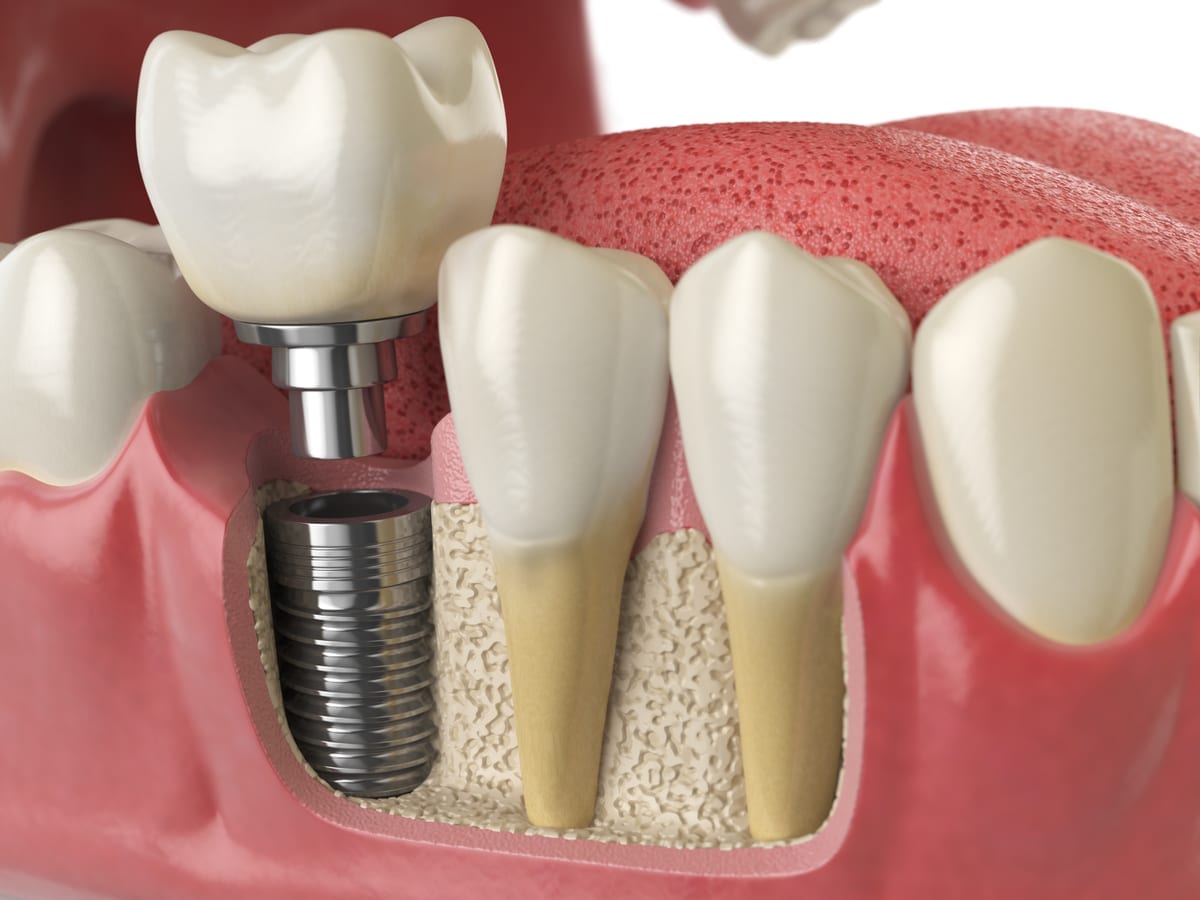
Early-stage bone loss is very manageable with modern dental implants. Implants replace missing tooth roots and immediately begin stimulating the jawbone again. This stops further deterioration and preserves the surrounding bone for the long term.
Here is what patients can expect when they come in for a bone health evaluation at Davie Designer Dental:
- A thorough clinical exam of your teeth, gums, and bite alignment.
- Digital X-rays or 3D imaging to assess current bone levels precisely.
- A personalized treatment discussion focused on your timeline and goals.
- A clear explanation of all available options — with no pressure applied.
Taking that first step is the most important thing you can do for your long-term oral health. Dr. Khan and the Davie Designer Dental team are here to guide you with compassion, expertise, and honest answers every step of the way.
Conclusion: Your Jawbone Cannot Wait
The 5 silent signs your jawbone is already deteriorating fast in Davie are often dismissed until the damage is severe. Shifting teeth, sunken facial features, chewing difficulty, loose teeth, and ill-fitting restorations are your body’s warnings. Each one deserves a professional evaluation — not a wait-and-see approach. At Davie Designer Dental, Dr. Adil Khan provides compassionate, expert care to help you stop bone loss before it controls your future. Book Now to schedule your appointment with our team.
Frequently Asked Questions
How quickly does jawbone loss occur after tooth loss?
Jawbone loss can begin within weeks of losing a tooth. In the first year, the jaw can lose up to 25% of its width in the area of the missing tooth. The process slows over time but never fully stops without intervention such as a dental implant to restore stimulation.
Can jawbone loss be reversed without surgery?
Unfortunately, lost jawbone cannot regenerate on its own without some form of dental intervention. Bone grafting procedures can rebuild lost volume, and dental implants help preserve remaining bone. Early treatment is always preferred because it requires less complex procedures than advanced bone loss cases do.
Is jawbone deterioration painful?
That is one reason it is so dangerous. Jawbone deterioration is often completely painless in its early and middle stages. Many Davie patients only discover significant bone loss during a routine dental exam. This is why regular checkups and X-rays are essential for catching the problem before symptoms become obvious.
How do dental implants help prevent further bone loss?
Dental implants are titanium posts placed directly into the jawbone. They mimic the function of a natural tooth root by transmitting chewing pressure into the bone. This stimulation signals the body to maintain bone density in that area, effectively halting the deterioration that follows tooth loss.
What is the first step if I think I have jawbone loss in Davie?
Schedule a comprehensive dental exam at Davie Designer Dental as soon as possible. Dr. Adil Khan will use clinical examination and digital imaging to assess your current bone levels. From there, a personalized treatment plan will be created to address your specific situation and preserve as much bone as possible.