(954) 483-3009


The Connection Between Dental Implants and Better Nutrition

The Connection Between Dental Implants and Better Nutrition
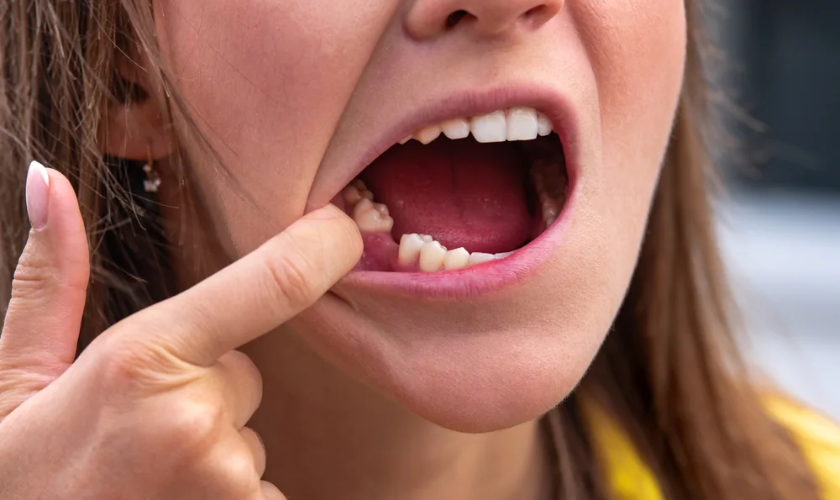
Missing teeth aren’t just a cosmetic concern. They can affect how you eat every day. Have you ever avoided crunchy apples, leafy greens, or your favorite nuts because chewing became uncomfortable or even painful? For many Davie residents, tooth loss subtly changes daily eating habits, often leading to softer, processed foods that lack essential nutrients.
These dietary adjustments can impact digestion, nutrient absorption, and overall health over time. When teeth are missing, your body struggles to break down food efficiently, which can make even simple meals less satisfying and less nourishing.
This is where implants come in. Modern tooth replacement solutions not only restore your smile but also allow you to enjoy a wider variety of foods safely. At Davie Designer Dental, dental implants are designed to support oral function and improve nutrition naturally.
In this blog, we’ll explore how missing teeth affect your diet, why chewing matters for your health, and how dental implants can help you regain both comfort and nutrition.
How Missing Teeth Affect Your Diet
Missing teeth can create real challenges in everyday eating. One of the most noticeable issues is difficulty chewing foods that are nutrient-dense. Crunchy vegetables, lean meats, and nuts can feel impossible to eat comfortably, pushing many to rely on softer, less nutritious options.
Over time, this shift leads to limited intake of vital vitamins, minerals, and protein. Avoiding certain foods is common, but it can silently reduce your overall diet quality. For example, skipping fresh fruits or raw vegetables can decrease fiber intake, while avoiding meats and legumes may lower protein consumption.
Chewing inadequacies can also impact digestion. Food that isn’t properly broken down puts extra strain on the stomach and intestines, making it harder for your body to absorb nutrients.
Beyond physical limitations, tooth loss can have an emotional impact. Many people feel self-conscious about eating in public or sharing meals with friends and family. This social hesitation often results in skipped meals or reliance on pre-packaged foods, further compromising nutritional balance.
Regaining stable, functional teeth is not just about aesthetics. It’s a critical step toward restoring a balanced, nourishing diet.
Why Chewing Ability Matters for Nutrition
Chewing is the first step in the digestive process. Proper mastication breaks food into smaller pieces, allowing enzymes in your saliva to start breaking down carbohydrates and preparing proteins and fats for digestion. When teeth are missing or unstable, this process is disrupted, and nutrient absorption can be reduced.
Fiber and protein are particularly affected. Hard vegetables, nuts, and lean meats are excellent sources of these nutrients, but they require thorough chewing. Without the ability to chew effectively, you might avoid these foods, relying on softer alternatives that may be low in fiber or protein. Over time, this can contribute to digestive discomfort, fatigue, and decreased immunity.
Chewing also stimulates the jawbone, helping maintain bone density and oral structure. When teeth are missing, the jawbone can deteriorate, a condition called resorption, leading to changes in facial structure and making future dental work more complex.
By restoring chewing ability with dental implants, you’re not only improving digestion but also supporting long-term oral health. Patients in Davie who regain strong chewing function report enjoying a wider variety of foods, better digestion, and a renewed sense of confidence at mealtime.
What Makes Dental Implants Different From Other Tooth Replacements?
Dental implants in Davie are unique compared to removable dentures or partial appliances. One major advantage is stability. Unlike dentures that can slip or shift while eating, implants are anchored securely into the jawbone, providing a fixed, natural-feeling solution. This stability allows patients to enjoy hard or sticky foods without concern.
Bite strength with implants closely resembles that of natural teeth. Whereas removable options often reduce chewing efficiency by up to 50%, implants allow you to bite, chew, and grind effectively. This improvement directly supports your ability to include nutrient-rich foods in your daily diet.
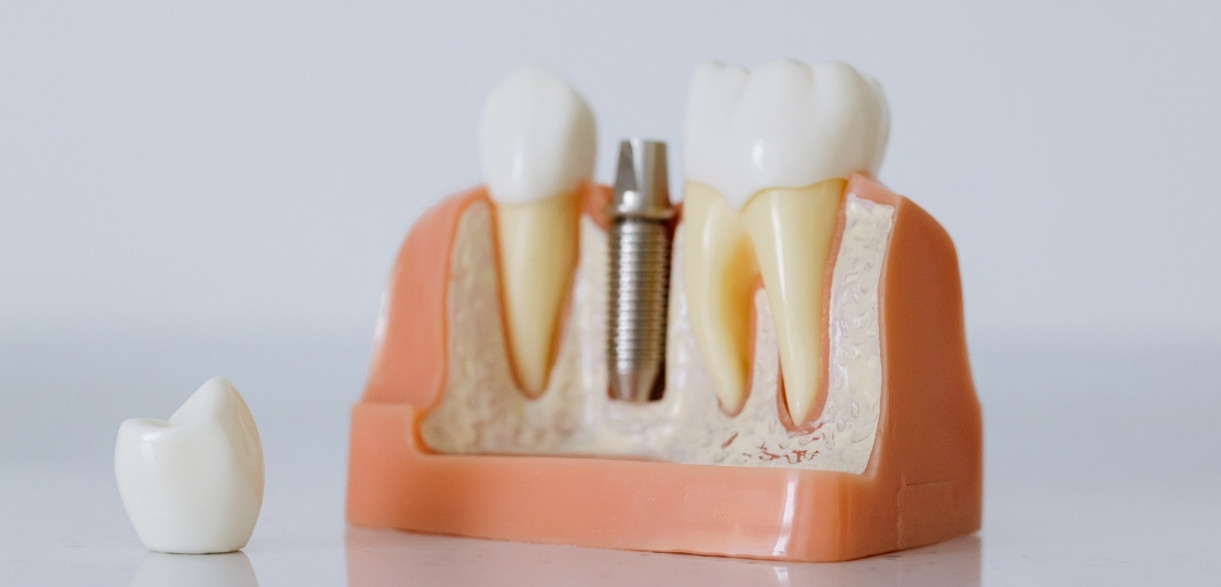
Implants also offer long-term jawbone support. The titanium posts mimic tooth roots, stimulating the bone and preventing resorption. This support preserves facial structure and ensures your oral health remains strong over the years.
Natural chewing motion is another key difference. Implants work with your muscles and bite alignment, allowing food to be processed efficiently. In contrast, conventional dentures may require you to adjust your eating technique, leading to inefficient chewing and reduced enjoyment of meals.
At Davie Designer Dental, we focus on creating dental implant solutions tailored to your unique anatomy and lifestyle. The goal is not only to restore your smile but also to help you regain functional, healthy eating habits that support overall wellness.
Nutritional Benefits After Dental Implants
Once dental implants are in place, many patients notice immediate improvements in their diet. One of the first changes is the ability to enjoy crunchy produce again. Apples, carrots, and raw greens become accessible and enjoyable. This increases fiber intake and supports digestive health.
Protein intake also improves. Foods like lean meats, fish, and nuts are easier to chew, making it simpler to maintain a balanced, nutrient-rich diet. This supports muscle health, energy levels, and overall wellness.
Better digestion naturally follows improved chewing. With properly broken-down food, your body can absorb nutrients more efficiently, reducing stomach discomfort and supporting overall vitality.
Eating balanced meals becomes easier, and variety returns to the plate. Patients often report feeling more energetic and healthier within weeks of treatment.
Social confidence is another benefit. No longer needing to avoid certain foods in public, patients can enjoy meals with family, friends, or colleagues without hesitation. Dental implants give back both functional and emotional freedom, improving quality of life in multiple ways.
Foods Patients Often Reintroduce After Implants
Many patients find they can reintroduce foods that were previously difficult or uncomfortable to eat:
- Raw vegetables: Carrots, celery, and bell peppers provide fiber, vitamins, and antioxidants.
- Lean meats: Chicken, turkey, and fish support protein intake, essential for muscle and tissue repair.
- Nuts and seeds: Almonds, walnuts, and sunflower seeds provide healthy fats and minerals.
- Whole grains: Brown rice, quinoa, and whole wheat bread offer energy-sustaining carbohydrates and fiber.
- Fresh fruits: Apples, pears, and berries supply essential vitamins, minerals, and natural sweetness for a balanced diet.
Reintroducing these foods promotes overall health, enhances digestion, and allows for a more satisfying, diverse eating experience.
Who Benefits Most From Improved Nutrition After Implants?
Dental implants can benefit a wide range of individuals, particularly those who have struggled with missing teeth. Older adults often find chewing difficult, limiting nutrient intake. Implants help restore independence in eating and support better overall health.
Patients missing multiple teeth see a significant impact. With implants, bite force and chewing efficiency return, allowing a diet rich in protein, fiber, and vitamins, which might otherwise be avoided.
People with digestive concerns also benefit. Properly chewed food reduces stress on the stomach and intestines, supporting nutrient absorption and easing discomfort.
Additionally, individuals recovering from illness or surgery often need nutrient-dense diets to rebuild strength. Dental implants make it easier to eat a variety of wholesome foods, supporting recovery and overall wellness.
By addressing both oral and nutritional health, these prosthetic teeth provide a comprehensive solution that enhances daily life, energy, and long-term well-being.
How Implants Support Long-Term Health Beyond Your Smile
Beyond immediate dietary improvements, dental implants contribute to long-term health. Patients often report higher energy levels as nutrient absorption improves and digestion becomes more efficient.
Stronger immune responses are another benefit. Balanced nutrition helps the body defend against infections, while proper chewing prevents digestive stress.
Weight management becomes easier with the ability to include fiber-rich foods and lean proteins, supporting a healthy metabolism.
Implants can even reduce inflammation risk. Chewing a balanced diet lowers the likelihood of gastrointestinal strain and systemic inflammation, contributing to overall wellness.
By restoring oral function, implants help maintain a healthy lifestyle, supporting both physical and mental well-being for Davie residents.
Are Dental Implants Right for Your Lifestyle and Diet Goals?
Not every patient is automatically a candidate for dental implants in Davie. Factors such as jawbone density, oral health, and overall medical condition must be evaluated. Bone health is particularly important, as implants rely on sufficient jawbone support for stability.
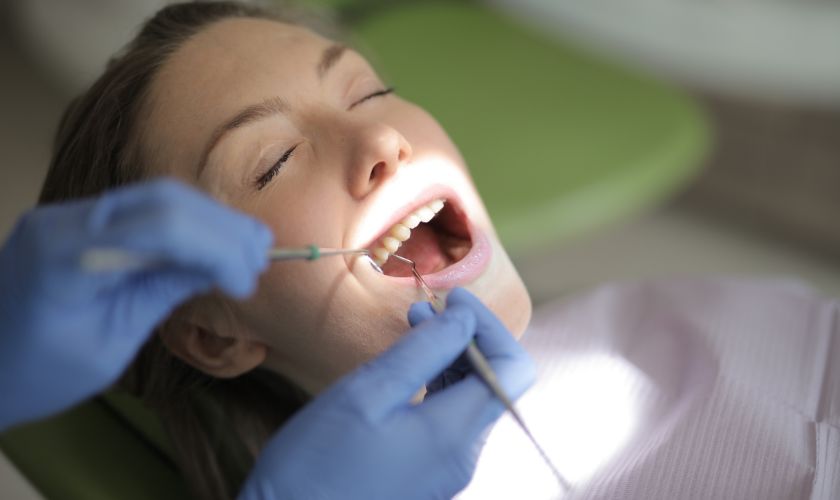
A consultation with a qualified provider, like Davie Designer Dental, ensures personalized recommendations. Your dentist will assess whether implants are suitable and discuss options to support optimal results, including bone grafts if necessary.
Considering your lifestyle and dietary goals is essential. Patients who want to enjoy a wide range of foods or who have previously limited their diet due to missing teeth often benefit the most.
Tips for Maintaining Nutrition After Implant Treatment
Once your implants are in place, maintaining proper nutrition involves simple practices:
- Balanced meals: Include fruits, vegetables, lean proteins, and whole grains to maximize nutrient intake.
- Hydration: Water supports digestion and overall health, especially after surgery.
- Oral hygiene support: Daily brushing and flossing around implants prevent complications and ensure long-term success.
- Regular dental visits: Routine checkups at Davie Designer Dental help monitor implant health and overall oral function.
Following these habits ensures that your implants support both dental and nutritional goals effectively, keeping your smile and body healthy.
Your oral health and nutrition are deeply connected. Missing teeth can limit dietary choices, affect digestion, and even impact social confidence. Dental implants restore stability, bite strength, and the ability to enjoy nutrient-rich foods.
At Davie Designer Dental, our goal is to help you regain functional, healthy teeth that support long-term well-being. By improving chewing ability, implants make it easier to enjoy a balanced diet, optimize nutrient absorption, and maintain overall health.
If missing teeth have affected your diet or daily comfort, consider scheduling a consultation. Dental implants can restore both your smile and the freedom to eat the foods you love, helping you feel healthier and more confident every day.
Frequently Asked Questions
How soon can I eat normally after dental implants?
Most patients can start eating soft foods immediately, while harder foods are usually reintroduced within a few weeks. Your dentist at Davie Designer Dental will provide a personalized timeline based on your healing and implant placement.
Are dental implants suitable for older adults?
Absolutely. Age alone isn’t a barrier. Dental implants can support better nutrition and oral health for older adults in Davie, improving bite strength and enabling the enjoyment of a wider variety of foods safely.
What foods can I eat after getting implants?
After healing, patients can enjoy raw vegetables, fruits, lean meats, nuts, and whole grains. These foods provide essential nutrients, fiber, and protein that support digestion, energy, and overall health.
Will dental implants improve my digestion?
Yes. By restoring proper chewing function, implants allow food to be broken down more effectively, which aids digestion and nutrient absorption. Many Davie patients notice fewer digestive issues after regaining the ability to eat a wider variety of foods.
How long do dental implants last?
With proper care, dental implants can last decades. Regular brushing, flossing, and checkups at Davie Designer Dental help ensure long-term stability, supporting both oral health and continued nutritional benefits.