(954) 483-3009

The Importance Of Regular Dental Exams For Optimal Oral Health

The Importance Of Regular Dental Exams For Optimal Oral Health
Maintaining optimal oral health goes beyond brushing and flossing. Regular dental exams are a crucial component of a comprehensive oral care routine. This article will explore the significance of regular dental exams and how they contribute to optimal oral health.
Early Detection Of Dental Issues:
Regular dental exams allow dentists to detect oral health issues at their earliest stages. Dentists can identify signs of tooth decay, gum disease, oral infections, and other dental problems that may not be noticeable to the untrained eye. Detecting these issues early on can prevent them from progressing into more severe conditions requiring more invasive and costly treatments.
Prevention Of Tooth Decay And Gum Disease:
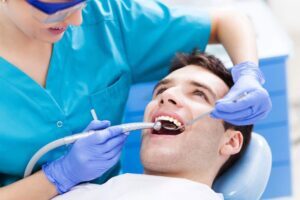
Dental exams play a vital role in preventing tooth decay and gum disease. During the exam, the dentist will thoroughly clean and examine your teeth and gums, removing plaque and tartar buildup contributing to these conditions. Additionally, the dentist can provide personalized recommendations for oral hygiene practices, such as brushing techniques, flossing, and mouthwash, to help you maintain optimal oral health at home.
Oral Cancer Detection:
Regular dental exams also include oral cancer screenings. Dentists are trained to identify early signs of oral cancer, such as abnormal tissue growth or sores in the mouth. Early detection of oral cancer significantly increases the chances of successful treatment and recovery. Dental exams provide an opportunity to catch oral cancer in its early stages when it is most treatable.
Evaluation Of Bite And Jaw Alignment:
The alignment of your bite and jaw is crucial to your oral health. During a dental exam, the dentist will assess your bite and jaw alignment, looking for signs of misalignment, temporomandibular joint (TMJ) disorders, or teeth grinding (bruxism). Identifying these issues early on allows prompt intervention, preventing complications such as tooth wear, jaw pain, headaches, and other related problems.
X-rays And Diagnostic Tools:
Dental exams often involve the use of X-rays and other diagnostic tools to provide a comprehensive evaluation of your oral health. X-rays reveal hidden dental issues, such as cavities between teeth, impacted wisdom teeth, or bone loss. These diagnostic tools allow dentists to accurately diagnose and create a customized treatment plan tailored to your needs.
Personalized Oral Health Guidance:
Dental exams allow you to discuss your oral health concerns and receive personalized guidance from dental professionals. Dentists can address your questions, provide oral care recommendations, and offer tips on maintaining optimal oral health. They can also educate you on the potential risks associated with certain habits, such as smoking or poor nutrition, and guide on mitigating them.
The Bottom Line
Regular dental exams are a vital aspect of maintaining optimal oral health. By scheduling routine dental exams, you enable early detection and prevention of dental issues, receive oral cancer screenings, assess bite and jaw alignment, and benefit from personalized oral health guidance. Remember, prevention is key in oral health, and regular dental exams are an essential part of your oral care routine. Pay attention to the importance of these exams in preserving your smile and enjoying lifelong oral health.