(954) 483-3009

Dental Implants vs. Dentures in Davie, FL

Dental Implants vs. Dentures in Davie, FL
Losing a tooth — or several — is a life-changing moment. Suddenly, everyday tasks like eating and smiling feel different. When Davie patients visit Dr. Adil Khan at Davie Designer Dental, one question comes up more than almost any other: dental implants vs. dentures — which option actually fits your life? The answer depends on your health, goals, and how you want your smile to function for years to come. This guide breaks down both options honestly so you can make a confident, informed decision.
Understanding Your Tooth Replacement Options in Davie
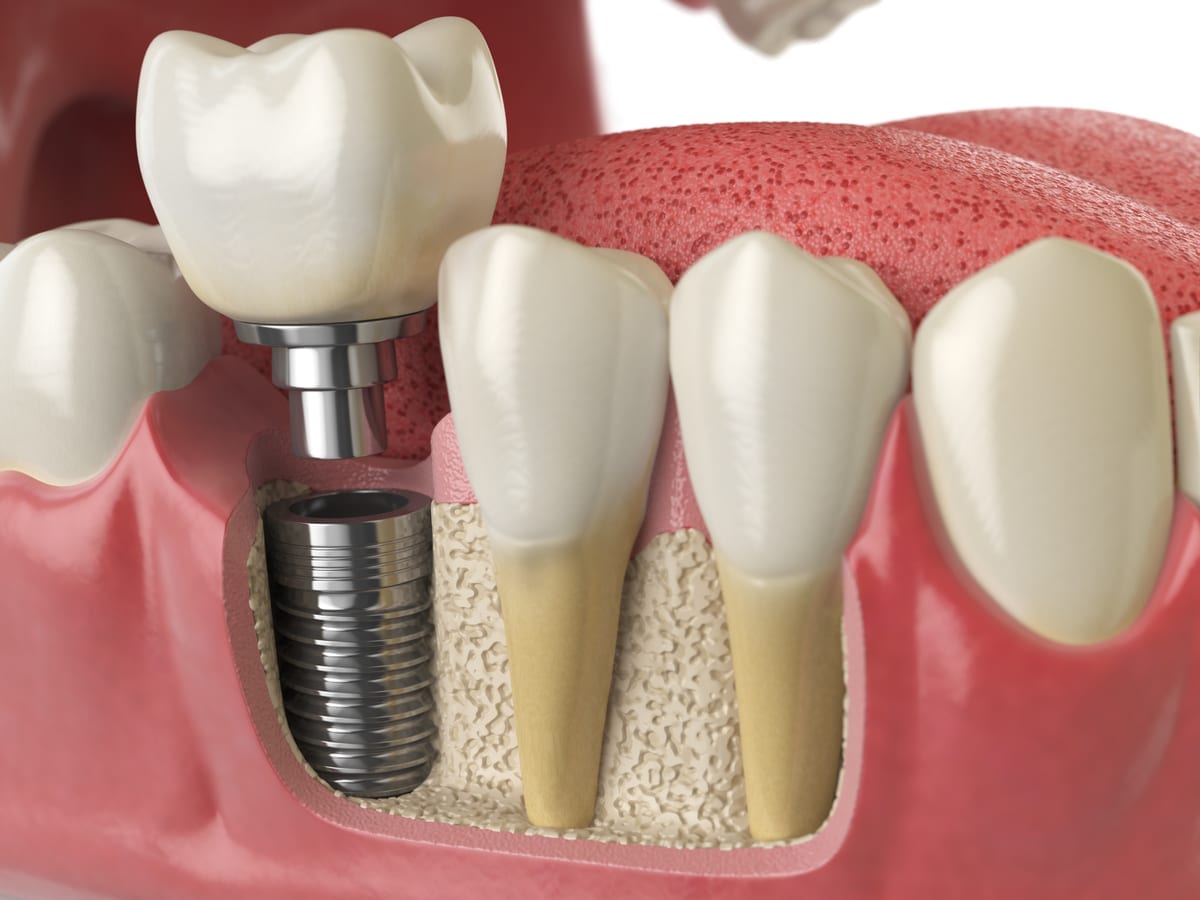
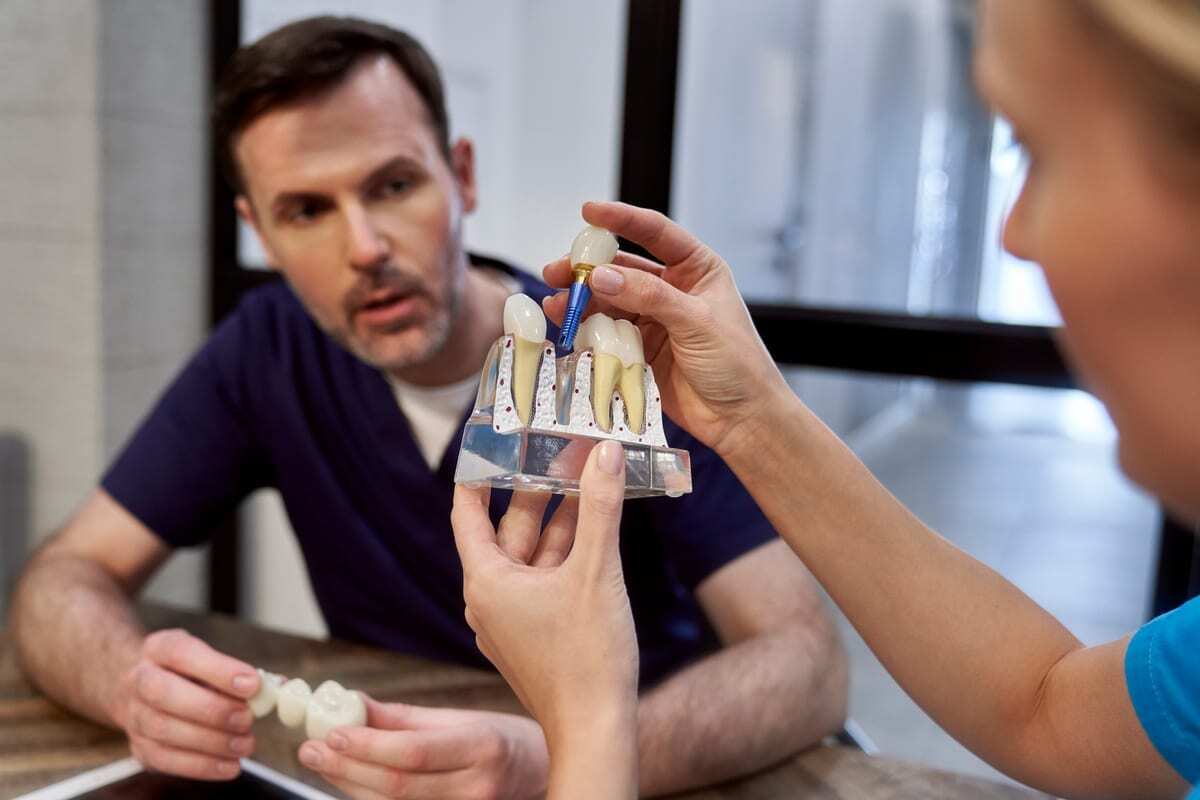
Before comparing the two, it helps to understand what each option actually involves. A dental implant is a small titanium post surgically placed into your jawbone. It acts as an artificial root and supports a crown, bridge, or even a full arch of teeth on top.
Dentures, on the other hand, are removable appliances that sit on your gums. Traditional full dentures replace an entire arch. Partial dentures fill in gaps when some natural teeth remain.
There is also a third option worth mentioning: dental bridges. Bridges anchor to neighboring teeth and fill one or more gaps permanently. They sit between implants and dentures in terms of cost and invasiveness. Knowing all three options helps you compare them side by side before your consultation.
Dental Implants vs. Dentures: Key Differences That Matter
When patients in Davie weigh dental implants vs. dentures, the differences go far beyond appearance. Here is a straightforward look at how these two options compare across the factors that matter most in daily life:
- Stability: Implants fuse with your jawbone and never shift. Dentures can slip, especially when eating or speaking.
- Bone health: Implants stimulate the jawbone and prevent bone loss over time. Dentures do not — and bone loss can actually make dentures fit worse as the years pass.
- Maintenance: Implants are cleaned just like natural teeth — brush, floss, done. Dentures must be removed nightly, soaked, and cleaned separately.
- Longevity: A well-placed implant can last a lifetime with proper care. Dentures typically need to be relined or replaced every 5 to 10 years.
- Comfort: Implants feel and function like natural teeth. Many denture wearers report soreness, pressure, or irritation on the gums.
- Diet: Implant patients eat almost anything they want. Denture wearers often avoid hard, sticky, or crunchy foods.
These differences are not small. They affect how you eat, how you speak, and how confident you feel every single day.
Who Is a Good Candidate for Dental Implants?
Dental implants are a fantastic long-term solution — but they are not the right fit for everyone right away. Dr. Khan evaluates several factors before recommending implants to Davie patients.
Good candidates typically share these characteristics:
- Adequate jawbone density to support the titanium post
- Healthy gums with no active gum disease
- Non-smoker or willing to quit during healing
- Good overall health with no uncontrolled systemic conditions
- Commitment to long-term oral hygiene habits
If bone loss has already occurred, bone grafting may restore enough structure for implants. That adds time and cost to the process, but it often makes implants possible when patients thought they were out of options.
Younger patients who lose a tooth early benefit especially from implants. Preserving bone now prevents a cascade of dental problems later in life.
When Dentures Make More Sense for Your Situation
Dentures are not a lesser option — they are genuinely the right solution for certain patients. Dr. Khan recommends dentures when implants are medically contraindicated or when a patient needs a faster, less invasive path to a complete smile.
Dentures may be the better fit if you:
- Need to replace all or most of your teeth at once
- Have significant bone loss that cannot be corrected with grafting
- Have health conditions that make surgery higher risk
- Need a solution in place quickly before considering future implants
Modern dentures have improved dramatically. Today’s materials look more natural, fit more comfortably, and wear more durably than older generations of dentures. Implant-supported dentures — a hybrid approach — snap onto implants for added stability without full individual implant placement.
If cost is a primary concern, full or partial dentures have a lower upfront price. Implants cost more initially but often save money over decades because they rarely need replacement.
What the Process Looks Like at Davie Designer Dental
Every tooth replacement journey at Davie Designer Dental starts with a thorough consultation. Dr. Khan reviews your X-rays, examines your bone structure and gums, and listens to your lifestyle priorities. There is no one-size-fits-all answer here.
For implant patients, the typical process involves placing the post, allowing several months for osseointegration (the bone fusing to the implant), and then placing the final crown or prosthetic on top. The timeline varies, but the results are worth it for most patients.
For denture patients, the process is faster. Impressions are taken, the appliance is custom-fabricated, and adjustments are made for proper fit and bite.
Patients exploring broader smile improvements often ask about Cosmetic Dentistry options like veneers or whitening to complement their restoration. Dr. Khan takes a comprehensive approach to every smile.
In some cases, a damaged tooth must come out before any replacement can happen. If a tooth is severely decayed, patients may first explore whether a Root Canals treatment can save it before considering extraction and replacement.
Making the Right Decision for Your Life in Davie
Choosing between dental implants and dentures is deeply personal. Your age, health, budget timeline, and daily lifestyle all matter. There is no universally correct answer — only the right answer for you.
What we know for certain is this: leaving a missing tooth untreated is never the best option. Bone loss accelerates. Neighboring teeth drift. Bite alignment shifts. Acting sooner preserves more of your natural structure and gives you more options.
Dr. Khan and the team at Davie Designer Dental are here to guide Davie patients through this decision without pressure. You deserve a clear explanation of every option before you commit to anything. Book Now to schedule your appointment with our team.
Frequently Asked Questions
How long do dental implants last compared to dentures?
Dental implants can last a lifetime with proper care and regular checkups. The crown attached to the implant may need replacement after 15 to 25 years due to normal wear. Dentures typically require relining or full replacement every 5 to 10 years as the shape of your jaw changes over time.
Are dental implants painful to get?
Most patients are surprised by how manageable the discomfort is. The procedure is performed under local anesthesia, so you feel pressure but not sharp pain during placement. Post-procedure soreness is common for a few days and is usually controlled with over-the-counter pain relief. Dr. Khan ensures your comfort throughout every step.
Can I switch from dentures to dental implants later?
Yes, in many cases this is possible. Patients who have worn dentures for years may have experienced some bone loss, which can sometimes be addressed with bone grafting before implant placement. Dr. Khan evaluates your bone density and gum health to determine whether implants are a viable option for your specific situation.
Do dental implants look natural?
Dental implants look, feel, and function like natural teeth. The crown placed on top is custom-matched to the shape and shade of your surrounding teeth. Most people — including friends and family — cannot tell the difference between an implant and a natural tooth.
What happens if I leave a missing tooth untreated?
Leaving a gap untreated leads to bone loss at the extraction site, which worsens over time. Neighboring teeth gradually drift into the empty space, causing bite problems and alignment issues. Replacing missing teeth promptly protects your long-term oral health and preserves more of your treatment options.