(954) 483-3009

Your New Crown: The Care Mistakes That Cost Thousands

Your New Crown: The Care Mistakes That Cost Thousands
Getting a dental crown is a significant investment in your smile. But your new crown: the care mistakes that cost thousands in Davie are more common than you might think. Many patients leave our office with a beautiful restoration — then unknowingly damage it within months. Dr. Adil Khan at Davie Designer Dental wants to make sure that never happens to you.
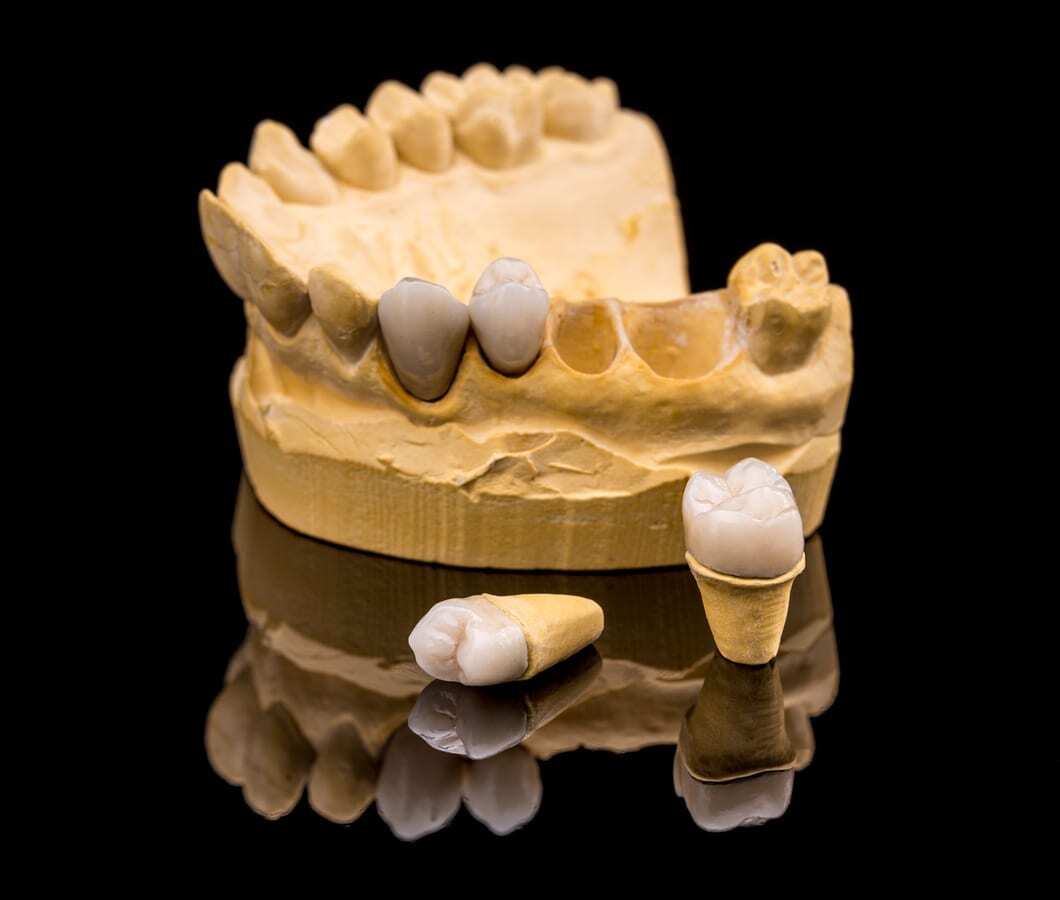
Crowns are durable, but they are not indestructible. The way you clean, eat, and sleep directly affects how long your crown lasts. A well-maintained crown can serve you for 15 years or more. A neglected one may need replacement in just a few.
Why Crown Care Matters More Than Most Patients Realize
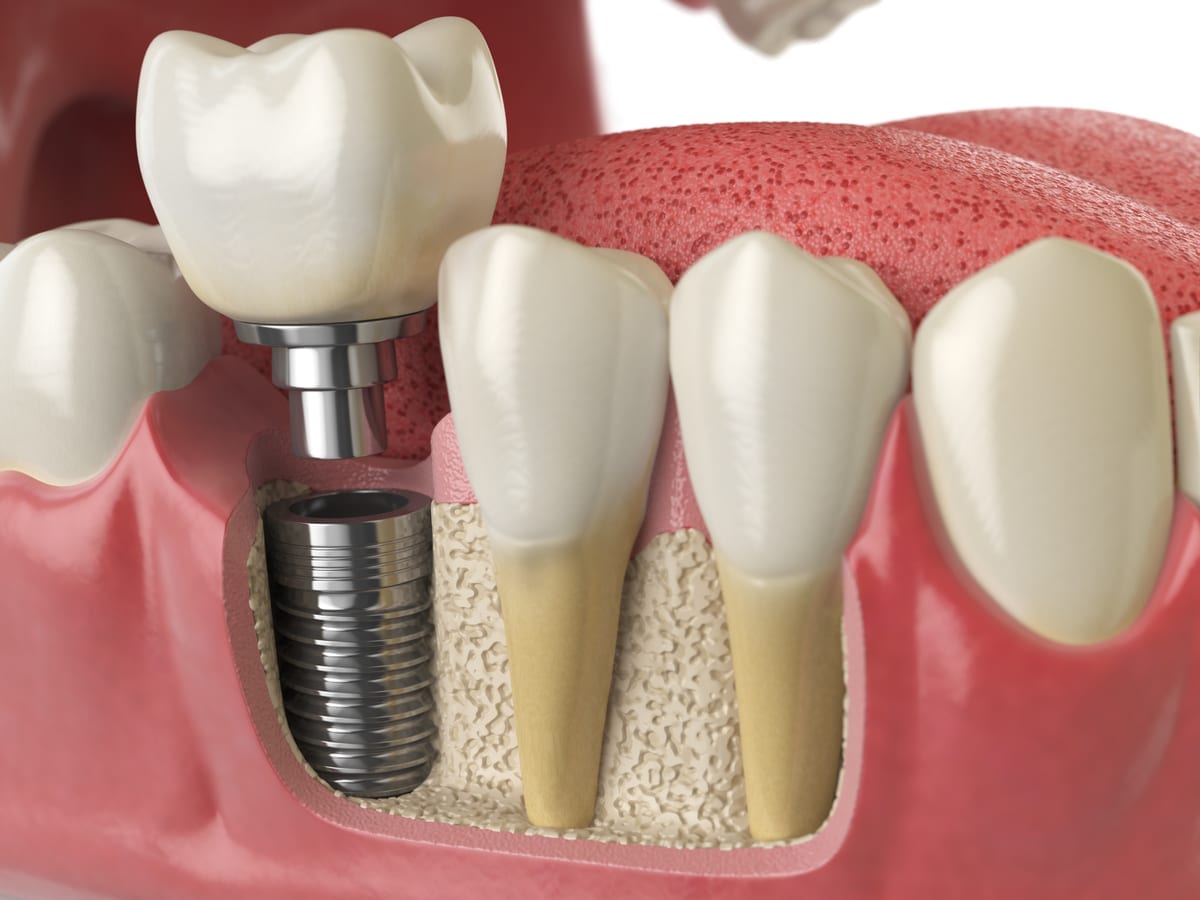
A dental crown covers a damaged or weakened tooth. It protects the underlying structure from bacteria and pressure. However, the margin — where the crown meets your gum line — is especially vulnerable. Bacteria love to collect right there.
When plaque builds up at the crown margin, decay can form underneath. This is called recurrent decay, and it is one of the top reasons crowns fail early. Once decay gets under the crown, you may need a root canal or even tooth removal. That turns a manageable situation into a much more expensive problem.
Understanding your new crown: the care mistakes that cost thousands in Davie starts with knowing this margin exists. Most patients never think about it. That small gap between crown and gum is where diligent cleaning makes all the difference.
Cleaning Around Your Crown the Right Way
Standard brushing is not enough to protect a crown long-term. You need to clean the margin carefully every single day. Use a soft-bristled toothbrush and angle the bristles toward the gum line. This technique dislodges plaque before it hardens into tartar.
Flossing is equally important — and many crown patients skip it. Slide floss gently down the side of the crown and curve it slightly beneath the gum edge. Do not snap the floss aggressively. That can dislodge the crown or irritate delicate gum tissue.
Here are the daily cleaning habits Dr. Khan recommends for crown patients:
- Brush twice daily with a soft-bristled toothbrush
- Floss once daily using a gentle C-shaped motion around the crown
- Use an antibacterial mouthwash to reduce bacteria at the margin
- Consider a water flosser as an additional cleaning tool
- Schedule professional cleanings every six months without fail
An electric toothbrush can also be a great tool for crown maintenance. The oscillating head removes more plaque than manual brushing. Just keep pressure light — you do not need to scrub hard to get results.
Foods and Habits That Quietly Destroy Crowns
Your diet plays a huge role in crown longevity. Some foods place extreme stress on the crown material. Others create the perfect environment for decay underneath. Knowing which foods to limit can save you thousands in the long run.
Hard foods are a major culprit. Chewing on ice, hard candies, or crusty bread puts tremendous force on the crown. Porcelain crowns can chip or crack under that pressure. Even zirconia crowns — which are very strong — can loosen from repeated stress.
Sticky foods are equally dangerous. Caramel, taffy, and chewy candy can grip the crown and pull it off the tooth. This is especially true if the crown is older or was placed with temporary cement. Once a crown comes off, bacteria immediately colonize the exposed tooth.
Foods and habits to avoid with a new crown include:
- Ice chewing — a very common and very damaging habit
- Hard candies and peppermints
- Sticky sweets like caramel, taffy, and gummy candies
- Chewing on pens, pencils, or fingernails
- Opening packaging with your teeth
- Excessive coffee or tea, which can stain porcelain over time
Acidic foods and drinks also deserve attention. Soda, citrus juice, and vinegar-based foods weaken enamel and irritate the gum margin. Rinse your mouth with water after consuming acidic items. This simple habit reduces acid exposure significantly.
Night Guards: The Crown Protection Most Patients Overlook
Grinding your teeth at night — called bruxism — is one of the most destructive forces a crown can face. Many people grind without even knowing it. The pressure generated during grinding can be three to four times greater than normal chewing force.
That kind of force wears down porcelain surfaces quickly. It can crack or fracture crowns that would otherwise last decades. Bruxism also loosens the cement bond between the crown and the tooth. Over time, a loose crown allows bacteria to seep underneath.
If Dr. Khan notices signs of grinding during your exam, he may recommend a custom night guard. This small, comfortable device fits over your teeth while you sleep. It absorbs grinding pressure and protects both your crowns and your natural teeth.
Signs that you might be grinding at night include:
- Waking up with jaw soreness or tension headaches
- Worn, flattened, or chipped tooth surfaces
- Sensitivity to temperature that was not there before
- Your partner notices grinding sounds while you sleep
A custom night guard from Davie Designer Dental fits precisely. Over-the-counter options are available, but they rarely fit well enough to be effective. A poor-fitting guard can actually shift your bite and cause more problems. Investing in a custom guard is far less expensive than replacing a cracked crown.
When to Call Your Dentist About Your Crown
Some warning signs should never be ignored. Catching a problem early is always less expensive than waiting. Dr. Khan and the team at Davie Designer Dental encourage patients to reach out promptly when something feels off.
Contact us right away if you experience any of the following:
- The crown feels loose or moves when you bite
- You notice increased sensitivity to hot, cold, or sweet foods
- There is pain when biting down on that tooth
- The gum around the crown looks swollen or bleeds easily
- You can see a gap between the crown and the gum line
Some of these symptoms may indicate decay forming underneath. Others could signal a gum issue or a crown that has shifted. Either way, early intervention prevents the problem from escalating.
Cosmetic and restorative care go hand in hand at our practice. If you are considering smile enhancements beyond your crown, explore Cosmetic Dentistry Davie options that Dr. Khan offers. And if a tooth ever reaches the point of infection, prompt treatment through Root Canals Davie can save the tooth before extraction becomes necessary.
Protecting Your Investment for the Long Term
Your crown is more than just a tooth restoration. It is a long-term investment in your oral health and your quality of life. Treating it with daily care and regular professional oversight pays dividends for years to come.
The most successful crown patients share a few things in common. They clean thoroughly around the margin every day. They avoid foods and habits that stress the crown. And they show up for their six-month checkups without fail.
Dr. Adil Khan and the Davie Designer Dental team are here to support you every step of the way. Whether you have questions about cleaning technique or you need your night guard adjusted, we are always ready to help. You should never feel uncertain about how to care for your smile.
Your new crown: the care mistakes that cost thousands in Davie are entirely preventable with the right knowledge and habits. Small daily efforts protect your smile and your wallet for decades ahead. Book Now to schedule your appointment with our team.
Frequently Asked Questions
How long should a dental crown last with proper care?
A well-maintained dental crown typically lasts between 10 and 15 years. Some crowns last 20 years or more with excellent daily hygiene and regular professional cleanings. The material of the crown, your bite habits, and how well you clean the margin all influence longevity.
Can I whiten a dental crown if it becomes stained?
Whitening treatments do not change the color of crown materials. Porcelain and zirconia crowns are stain-resistant but cannot be bleached like natural teeth. If your crown has become noticeably discolored, speak with Dr. Khan about polishing or replacement options that match your smile goals.
Is it normal for a new crown to feel sensitive at first?
Yes, some sensitivity is normal for the first few days after crown placement. The tooth and surrounding tissue need time to adjust. However, if sensitivity persists beyond two weeks or intensifies, contact Davie Designer Dental promptly so Dr. Khan can evaluate the fit and the underlying tooth.
Do I really need a night guard if I grind my teeth?
Yes — a night guard is strongly recommended for patients who grind. Grinding generates enormous force that can crack, chip, or loosen a crown much faster than normal wear. A custom-fitted night guard from your dentist provides far better protection than any store-bought alternative.
How often should I visit the dentist after getting a dental crown?
You should continue visiting your dentist every six months for a professional cleaning and exam. At these visits, Dr. Khan will check the crown margin for signs of decay, assess the gum tissue around it, and ensure the crown remains properly seated. Regular visits are the single most important step in protecting your investment.